ABOUT

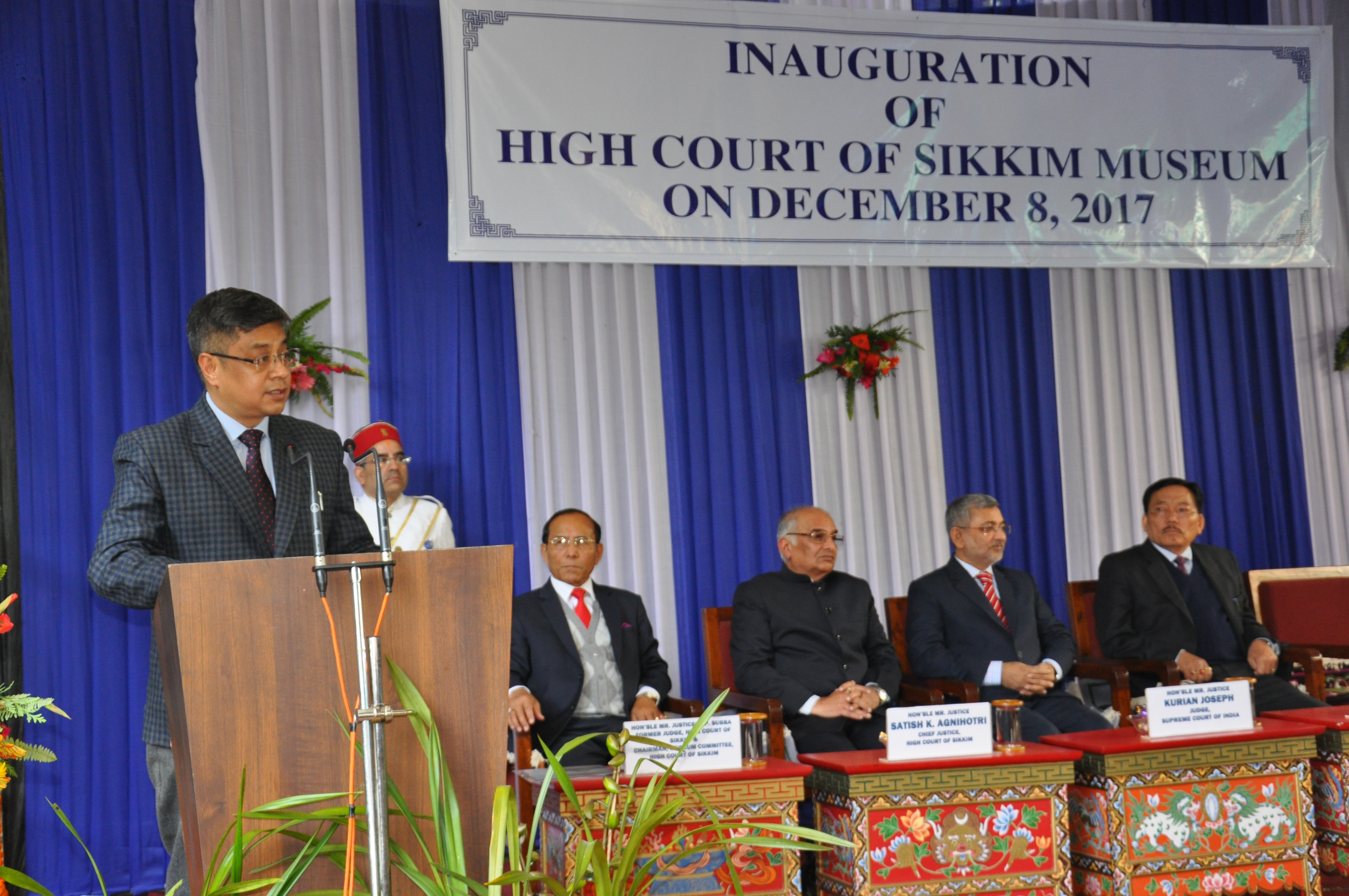
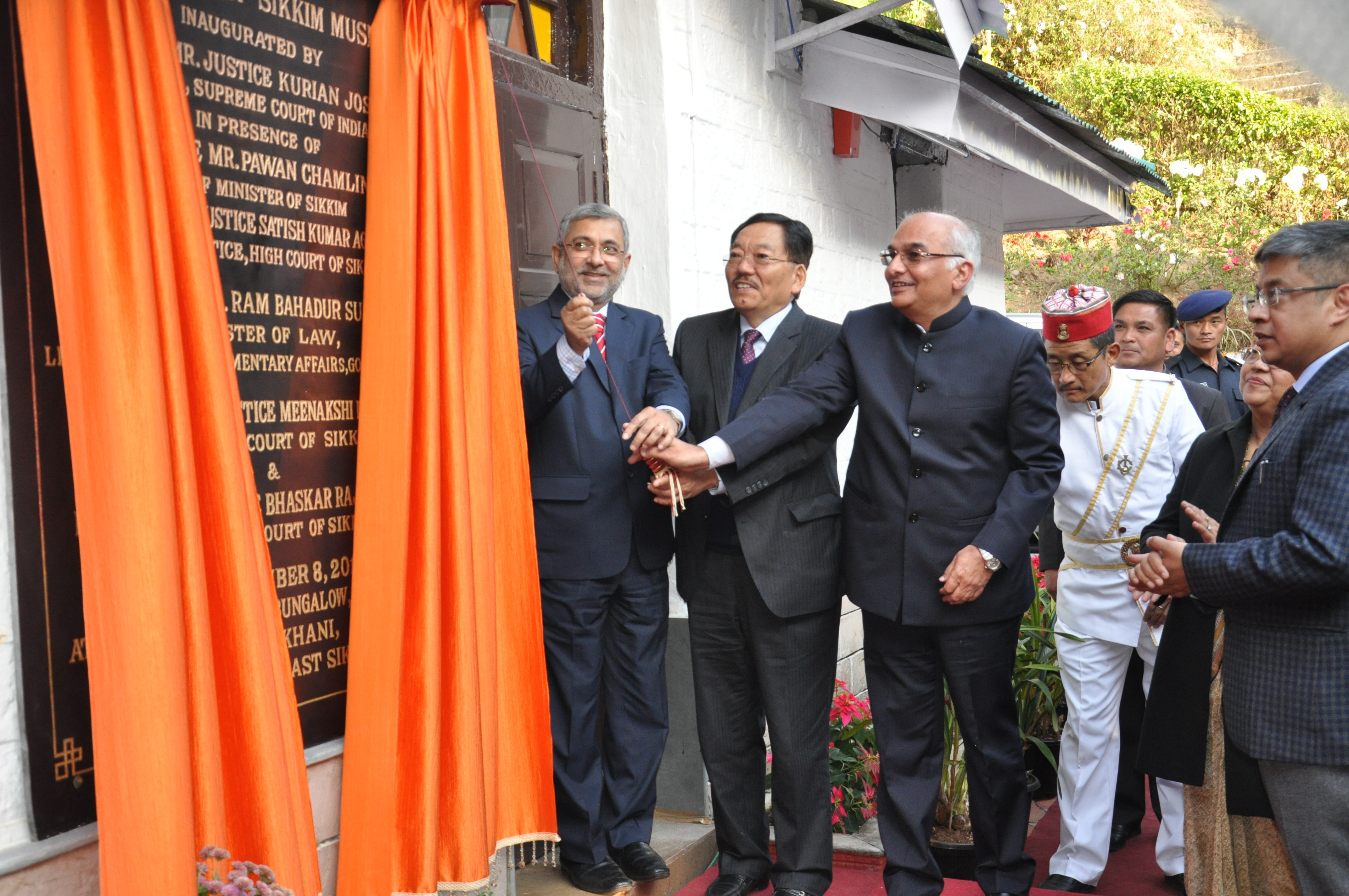
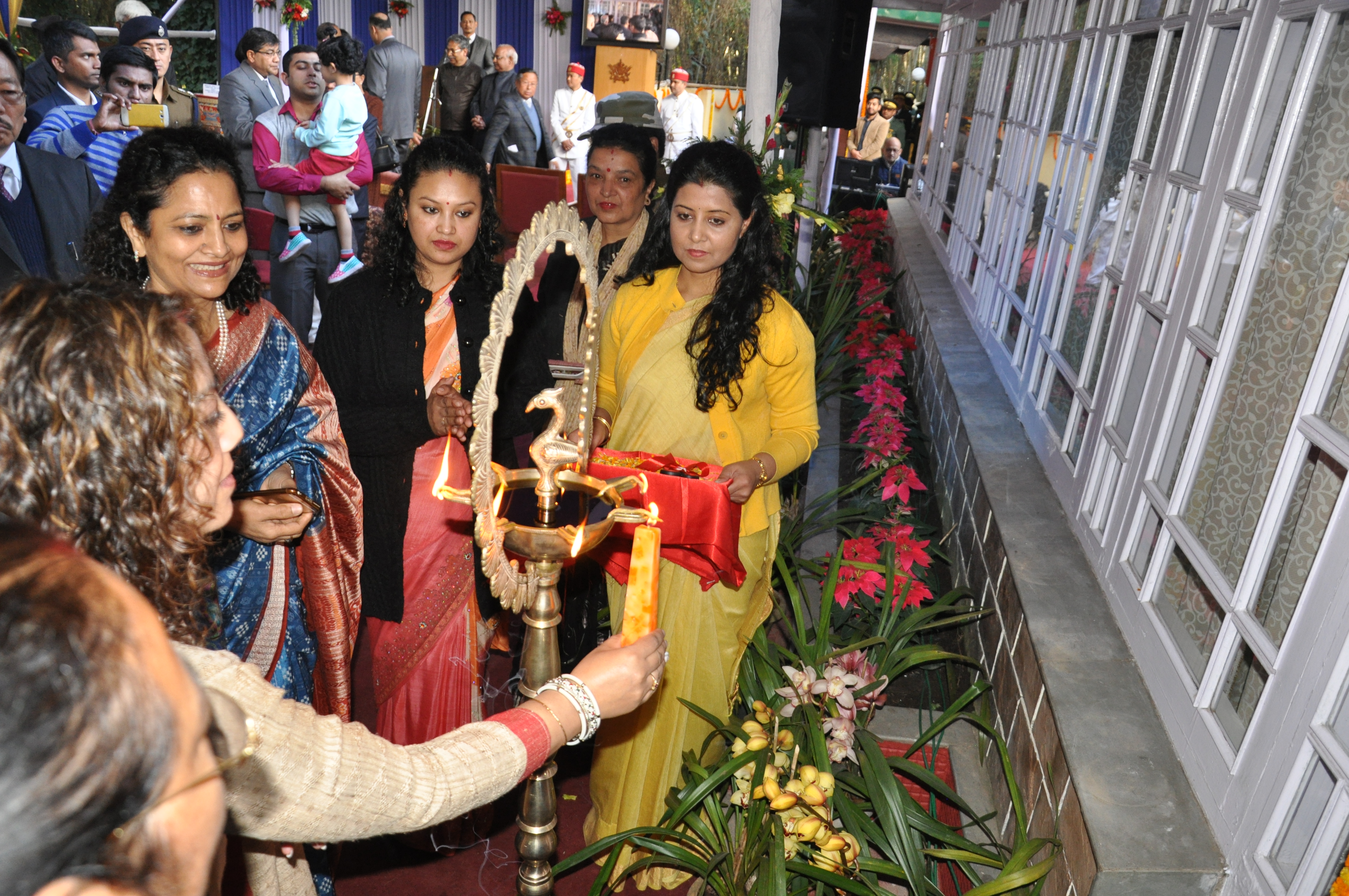
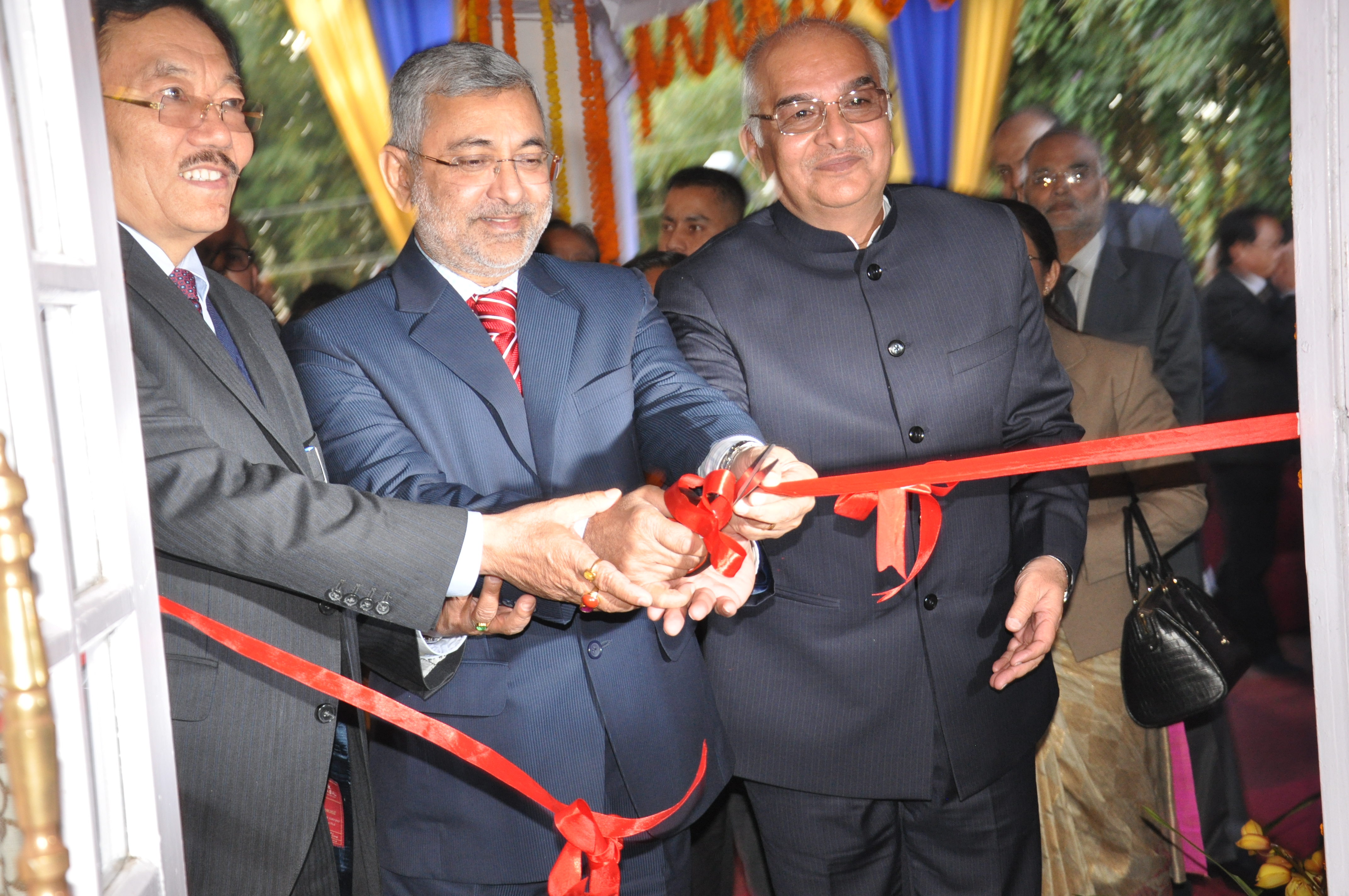
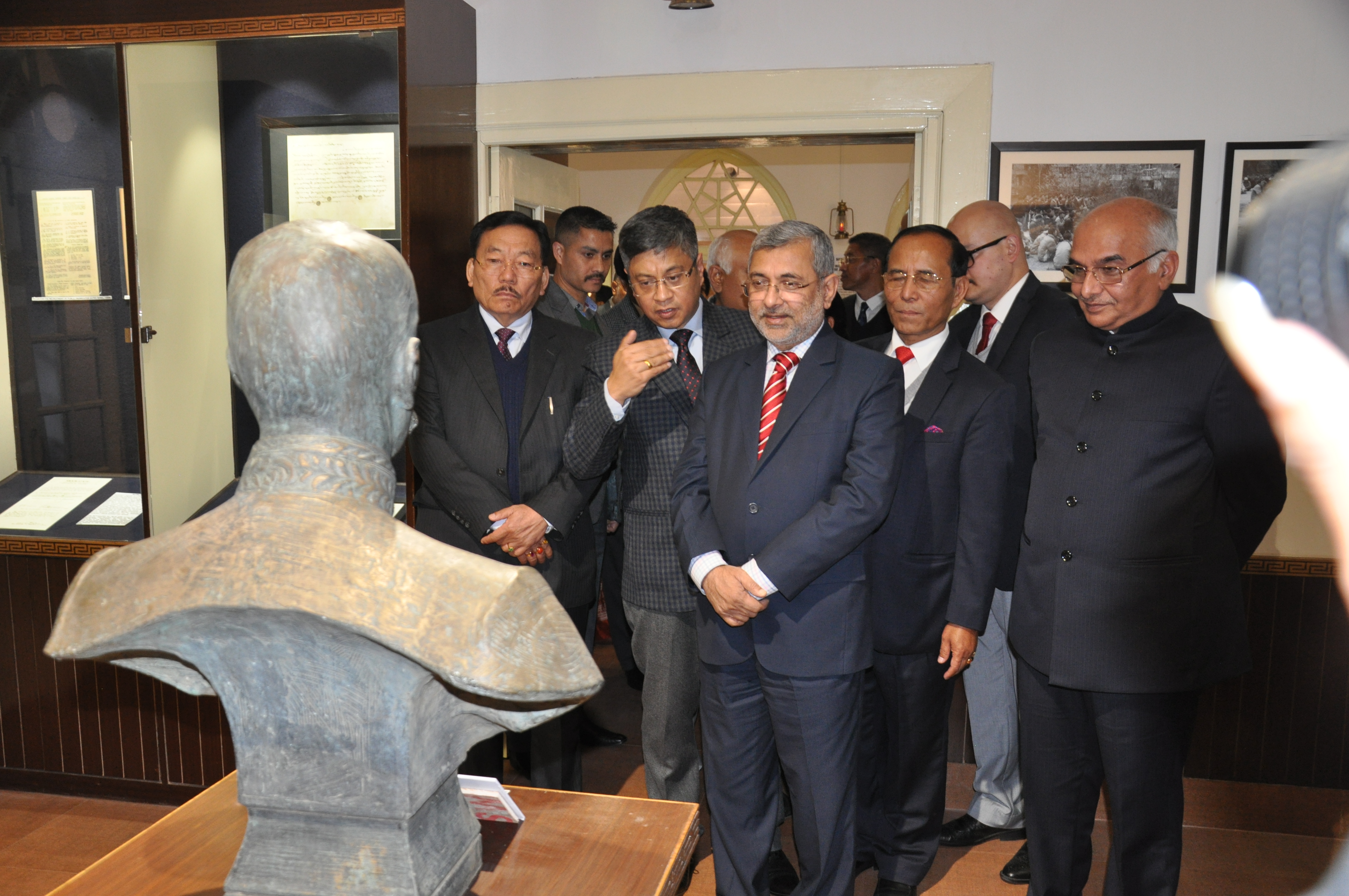
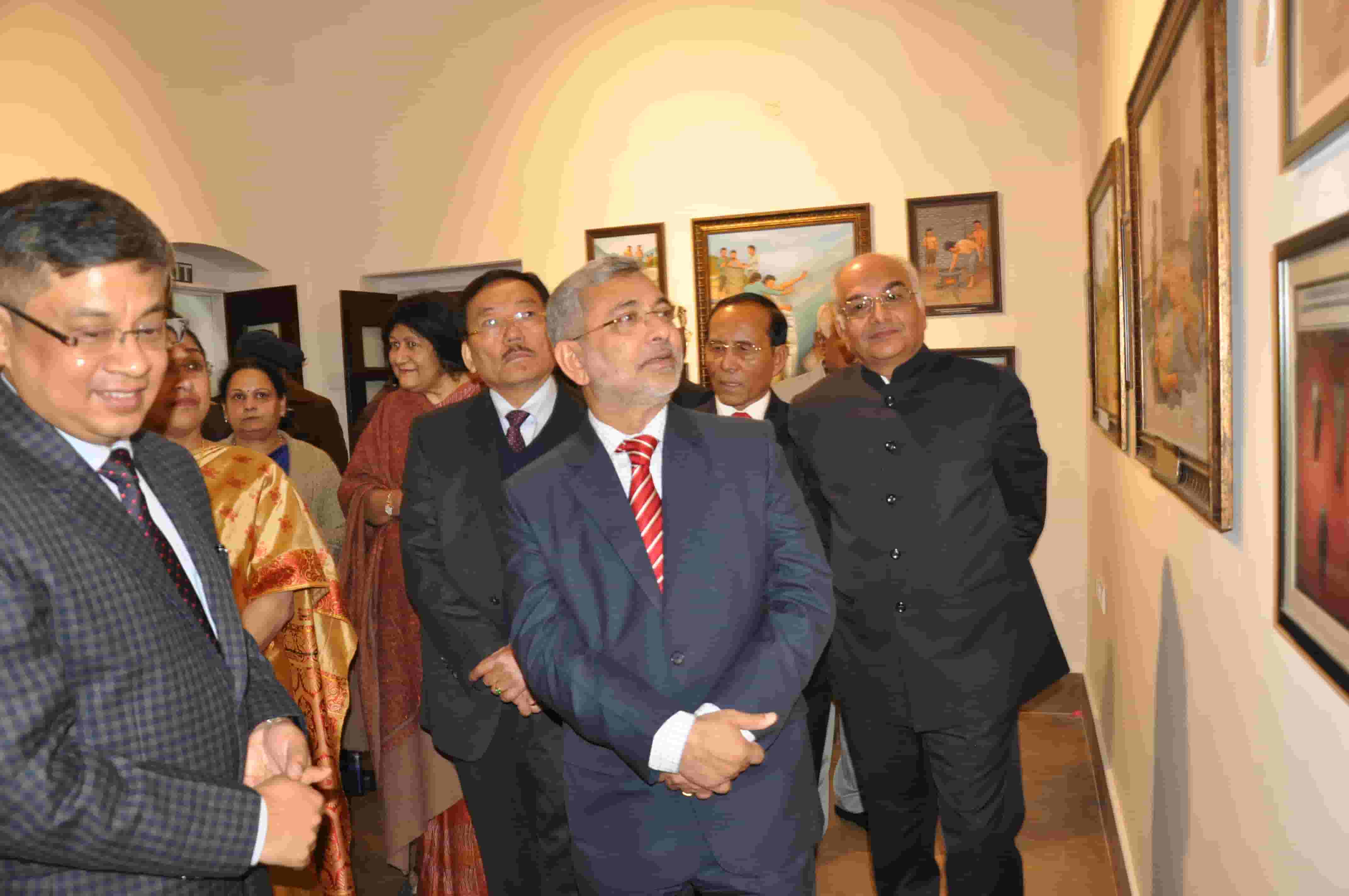
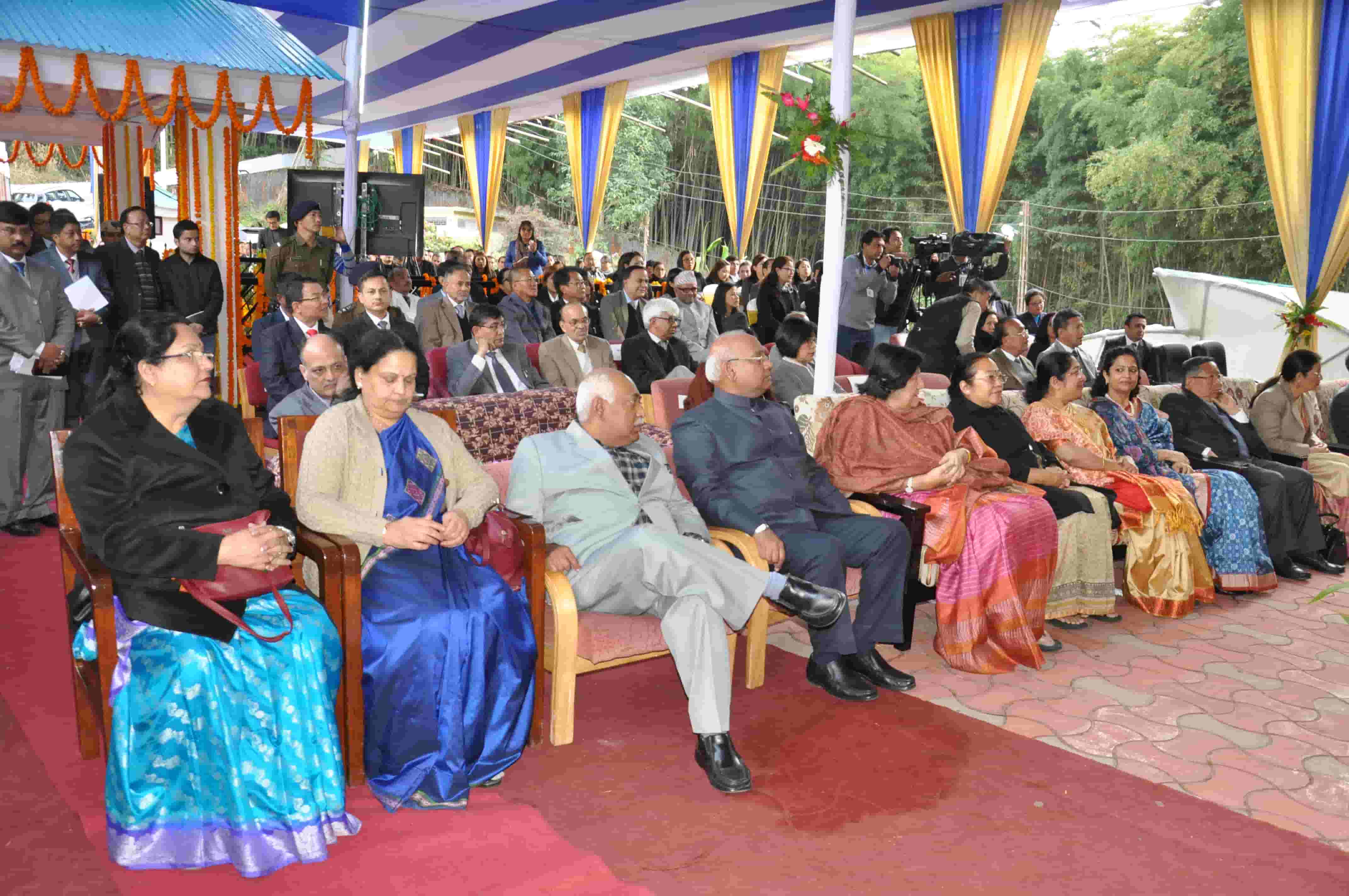
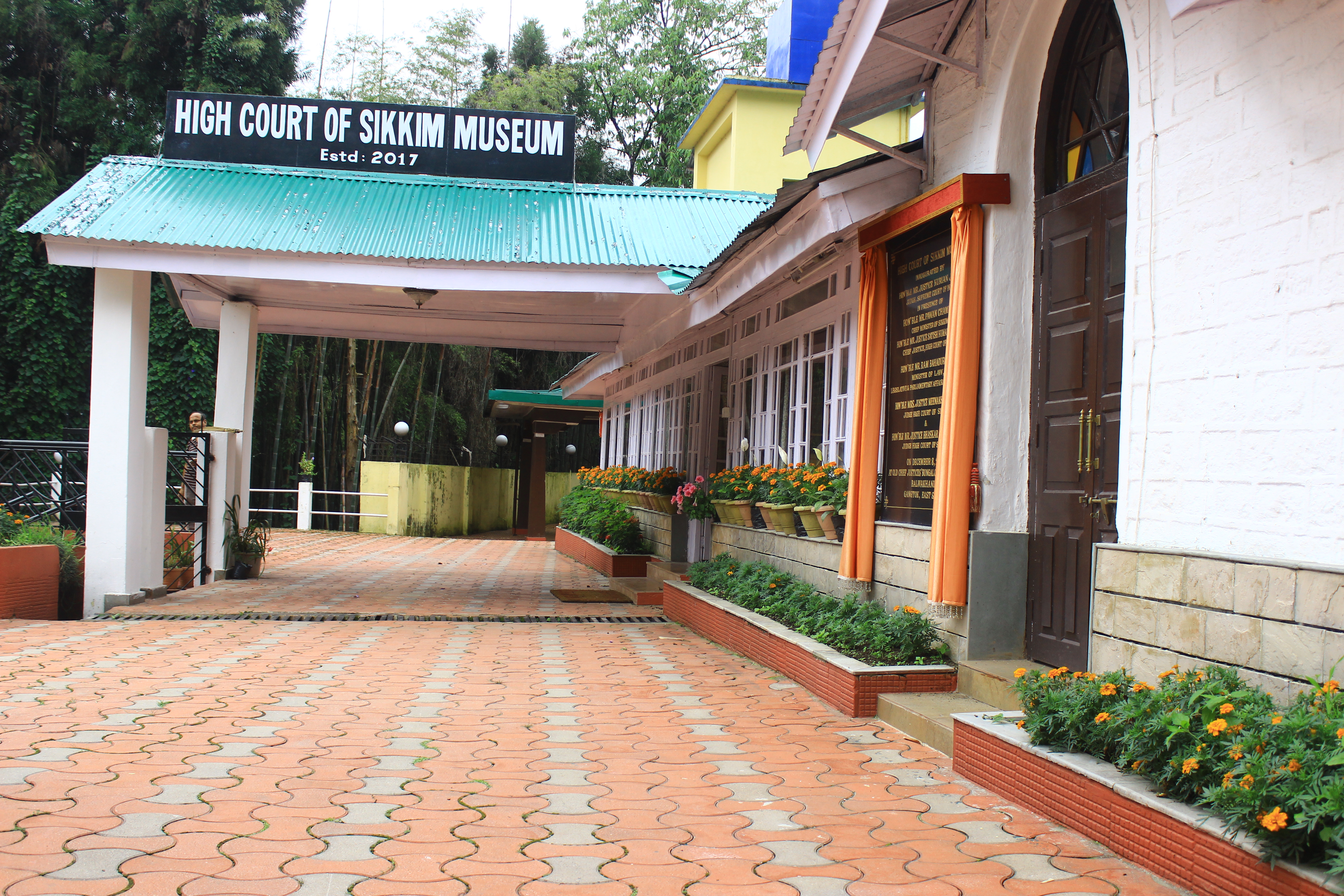
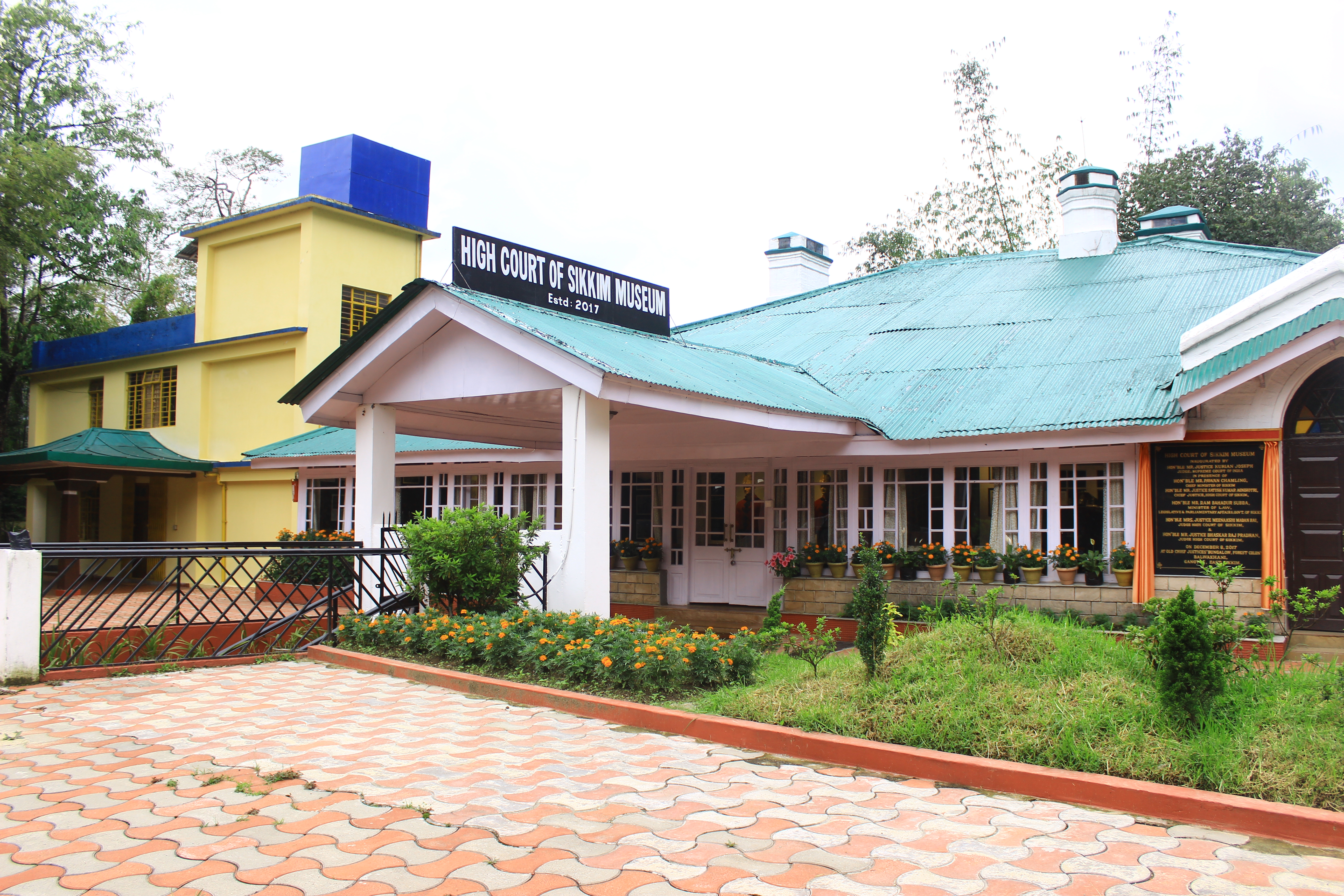
The High Court of Sikkim Museum is an important institution established as a repository of the judicial and legal heritage of the state, with the purpose of documenting, preserving and exhibiting the evolution of Sikkim’s judicial institutions. The Museum, established on 8 December 2017, serves to preserve the institutional history of the High Court and to promote awareness of Sikkim’s legal heritage among members of the legal fraternity, scholars, students and the general public. The Museum was formally inaugurated by Hon’ble Mr. Justice Kurian Joseph, Judge, Supreme Court of India, in the presence of Hon’ble Mr.Justice Satish Kumar Agnihotri, the then Chief Justice of the High Court of Sikkim, along with other distinguished guests.

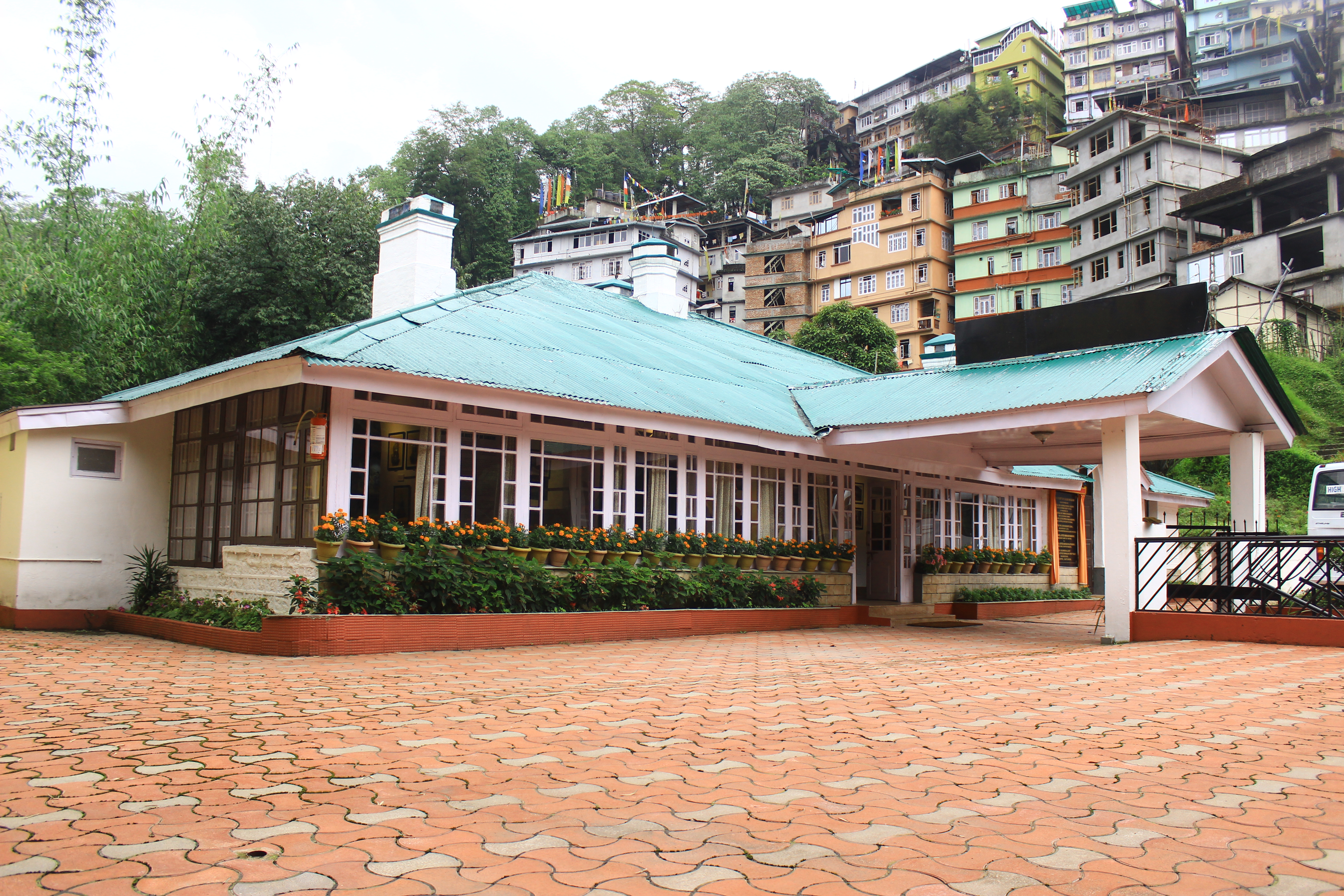
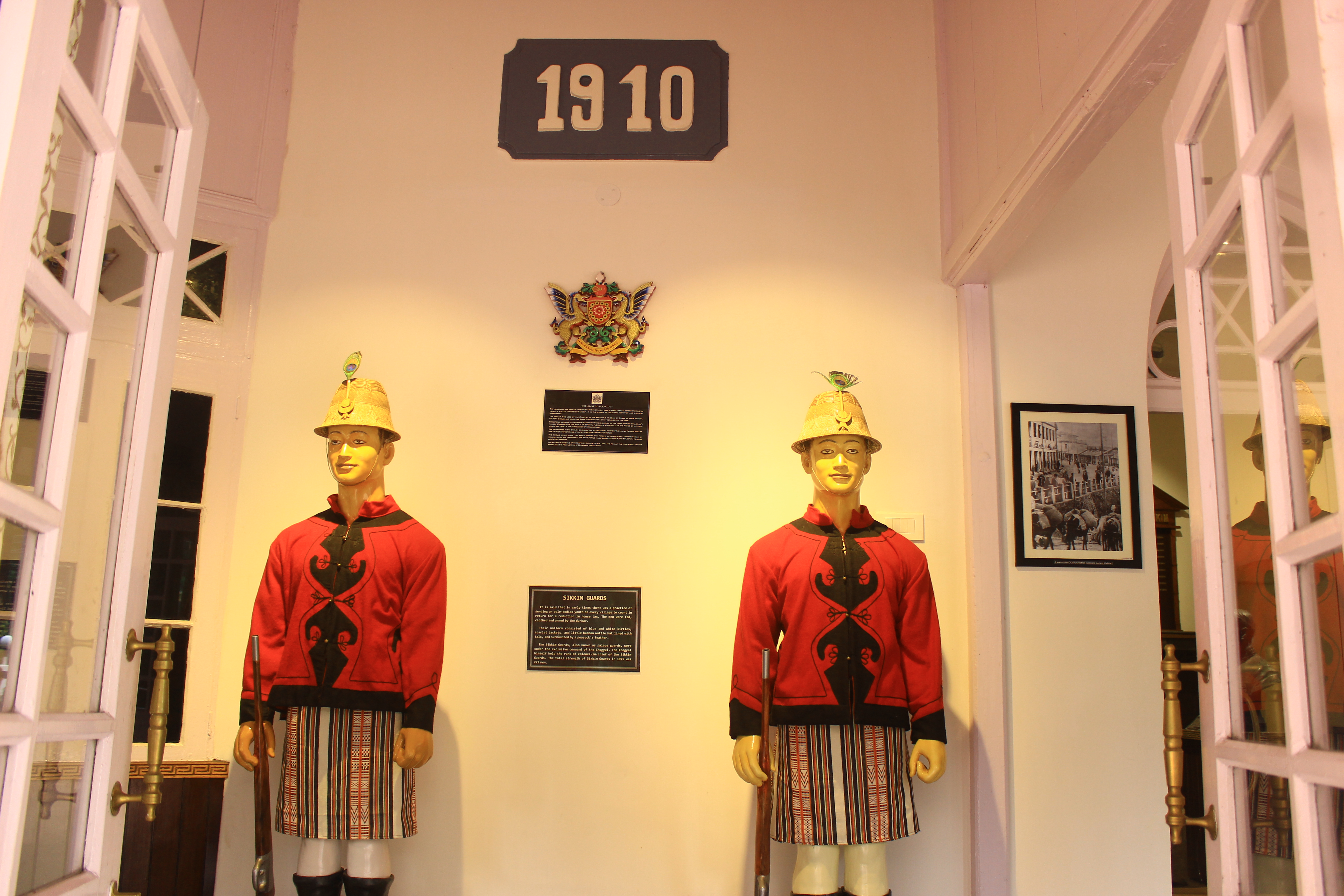
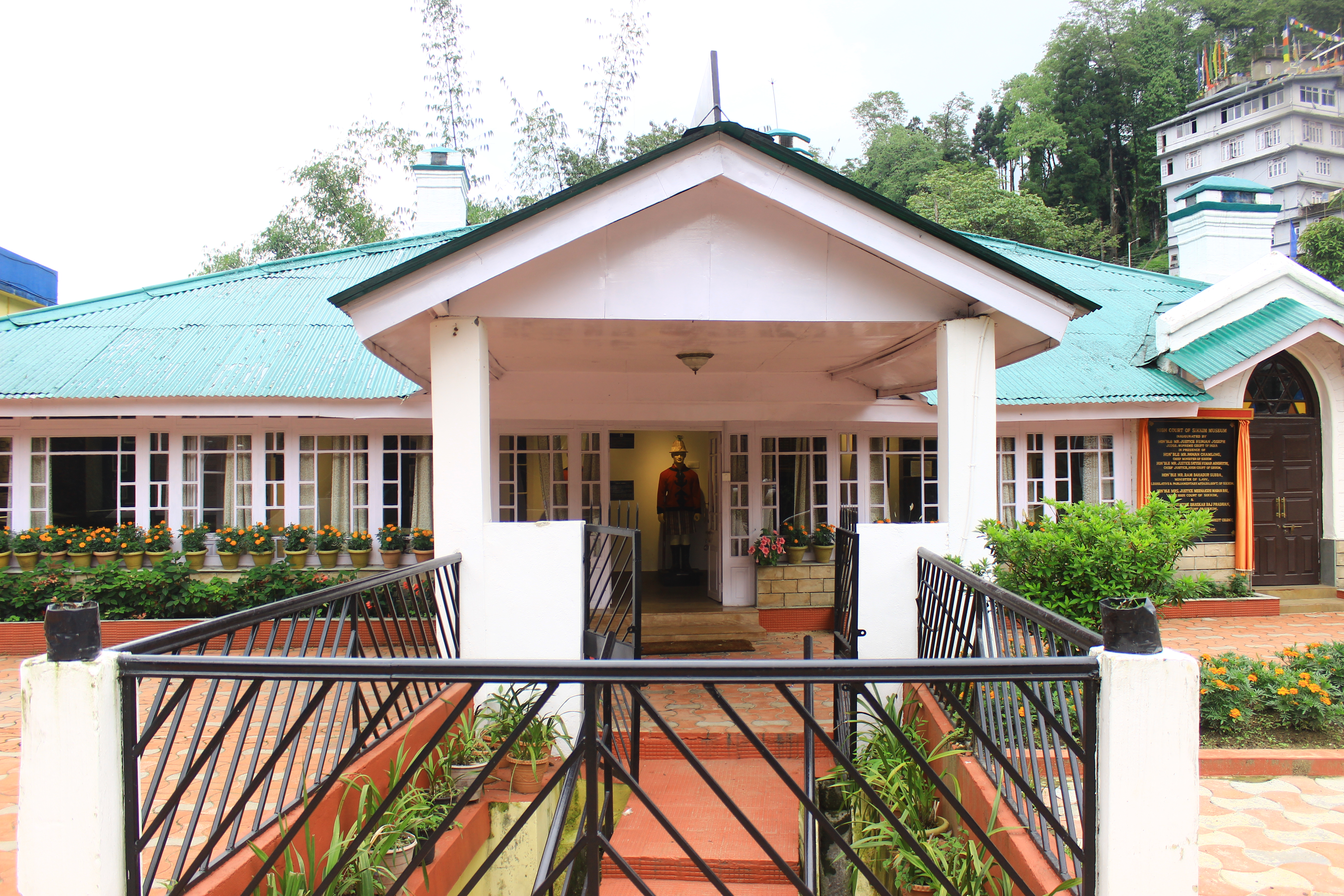
The Museum is located in a heritage bungalow of considerable historical significance, which functioned as the official residence of the Chief Justice until 2016. Dating back to 1910, the building was originally used to accommodate Civil Surgeons during the pre-merger period. After Sikkim’s integration with the Union of India in 1975, it was utilized as the residence of successive Chief Justices of the High Court. The conversion of this historic building into a museum has helped preserve an important part of Sikkim’s heritage while creating a suitable space for documenting and presenting the development of the State’s judicial system.

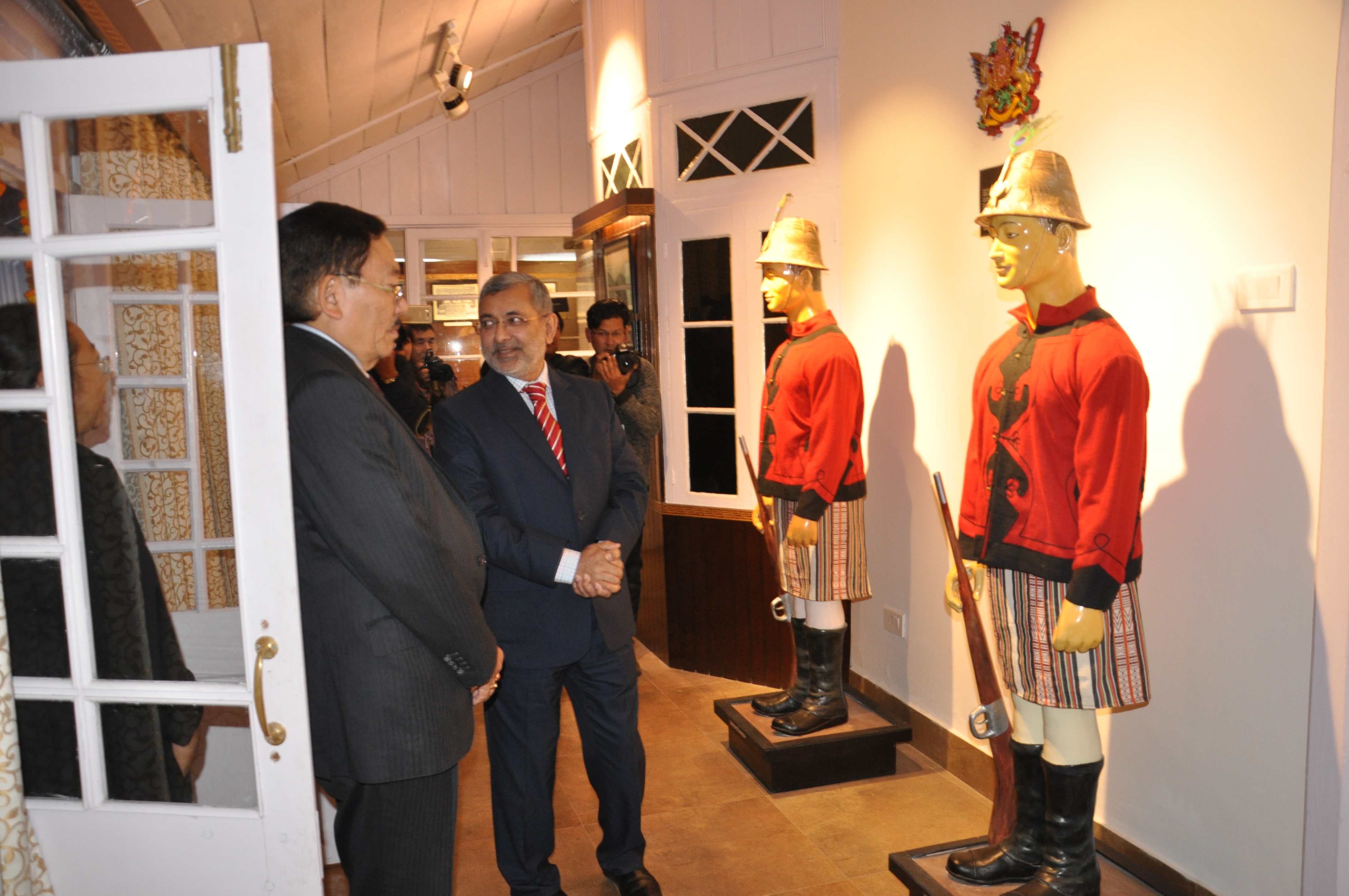
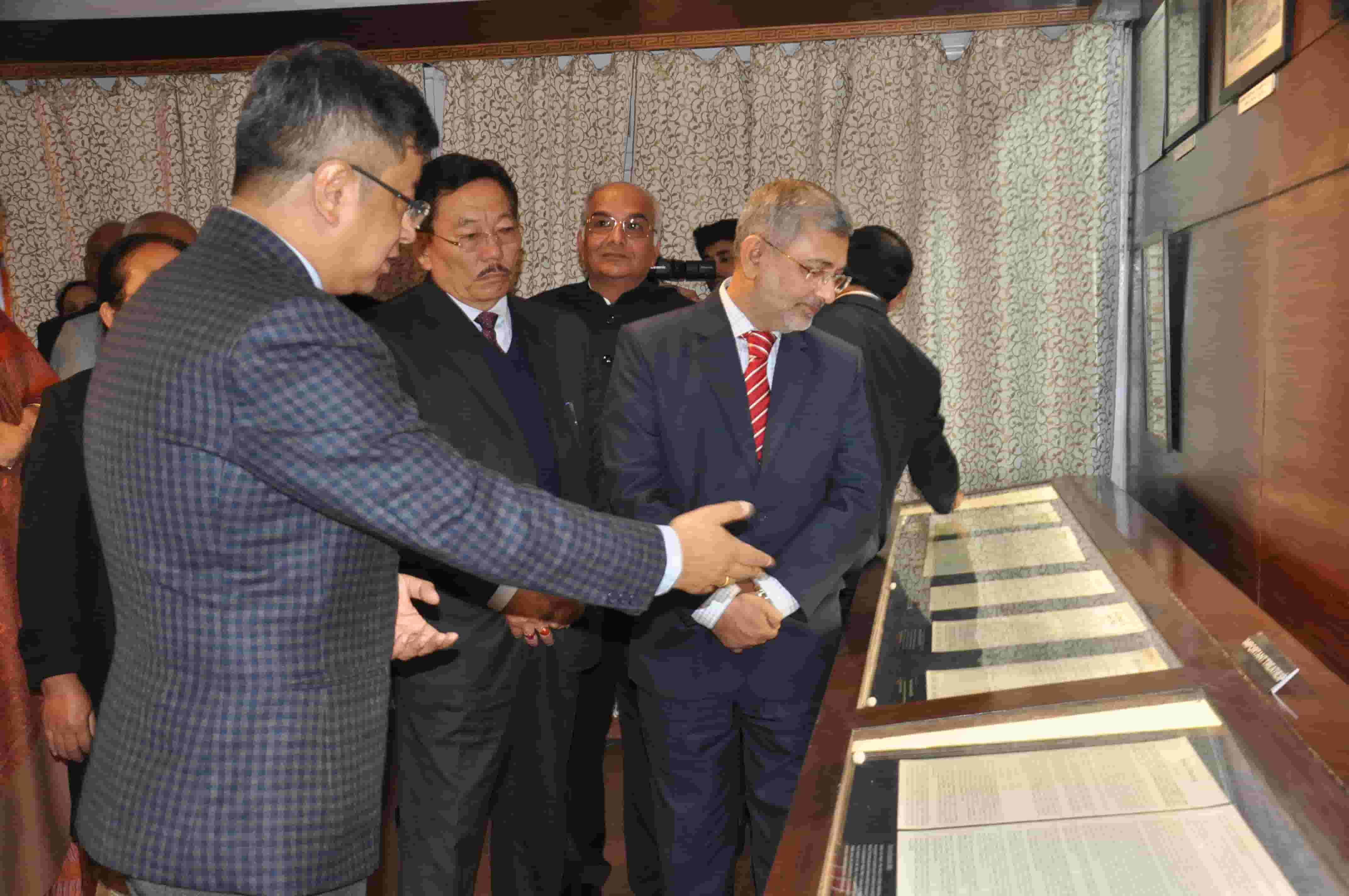
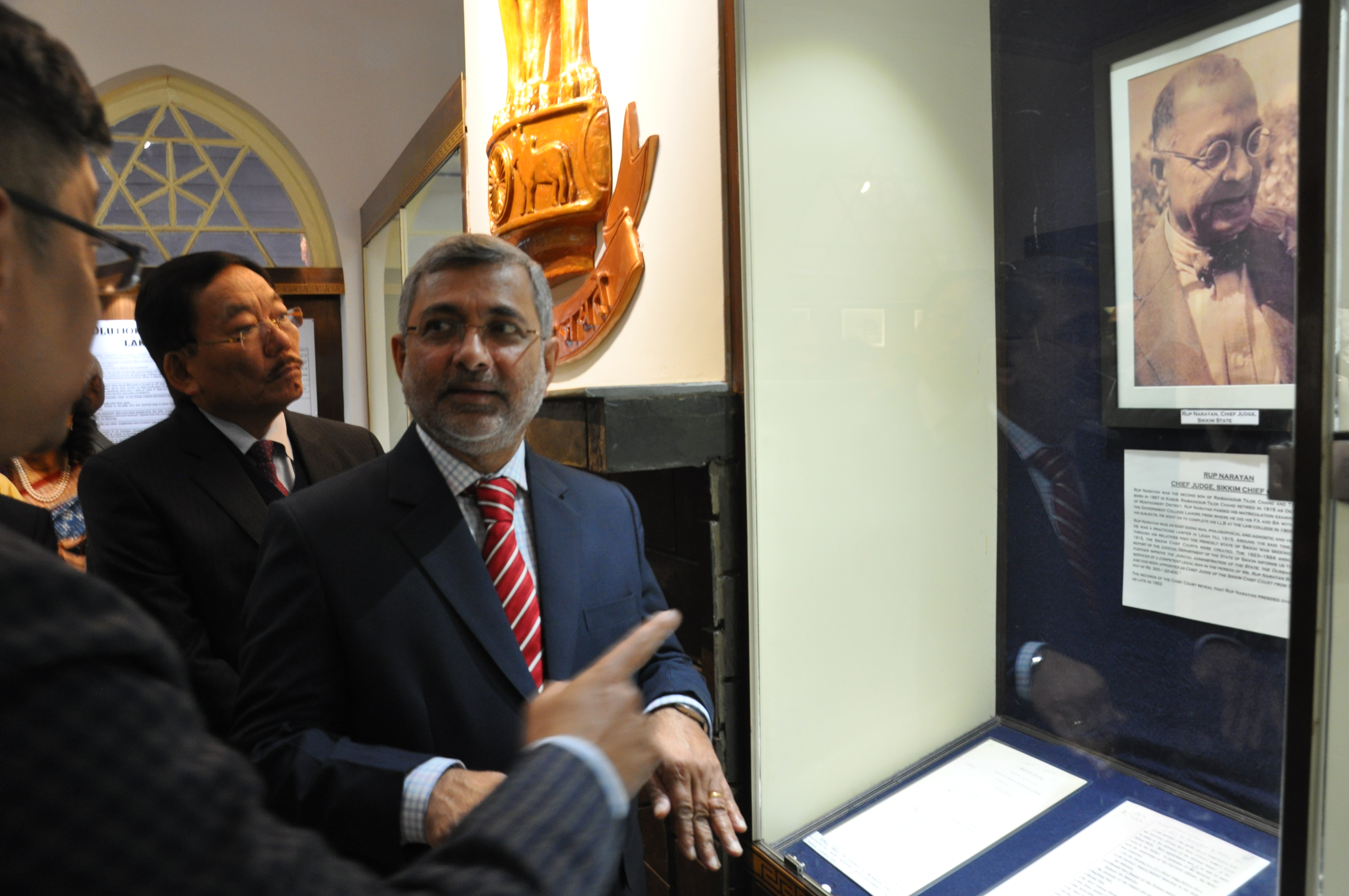
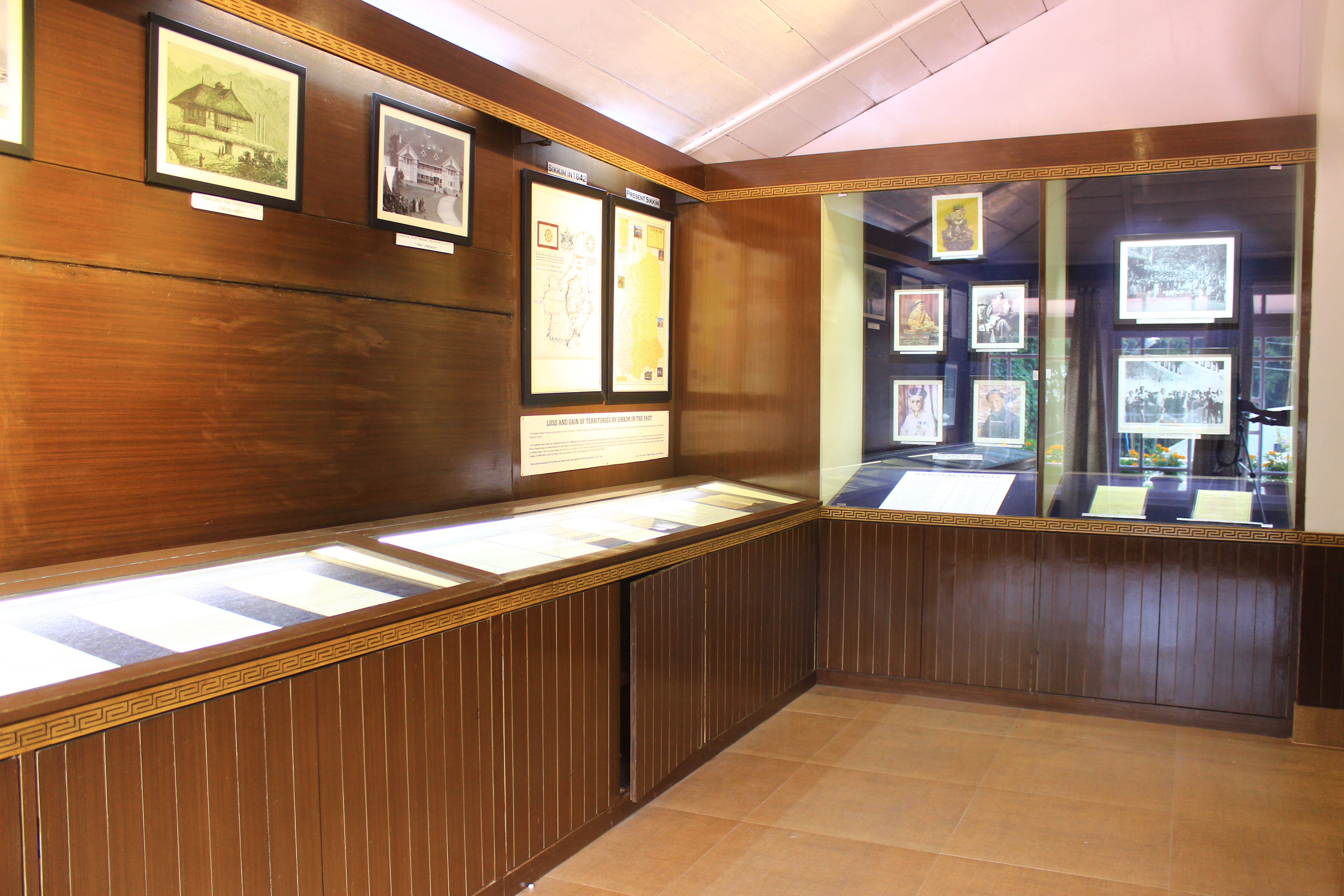
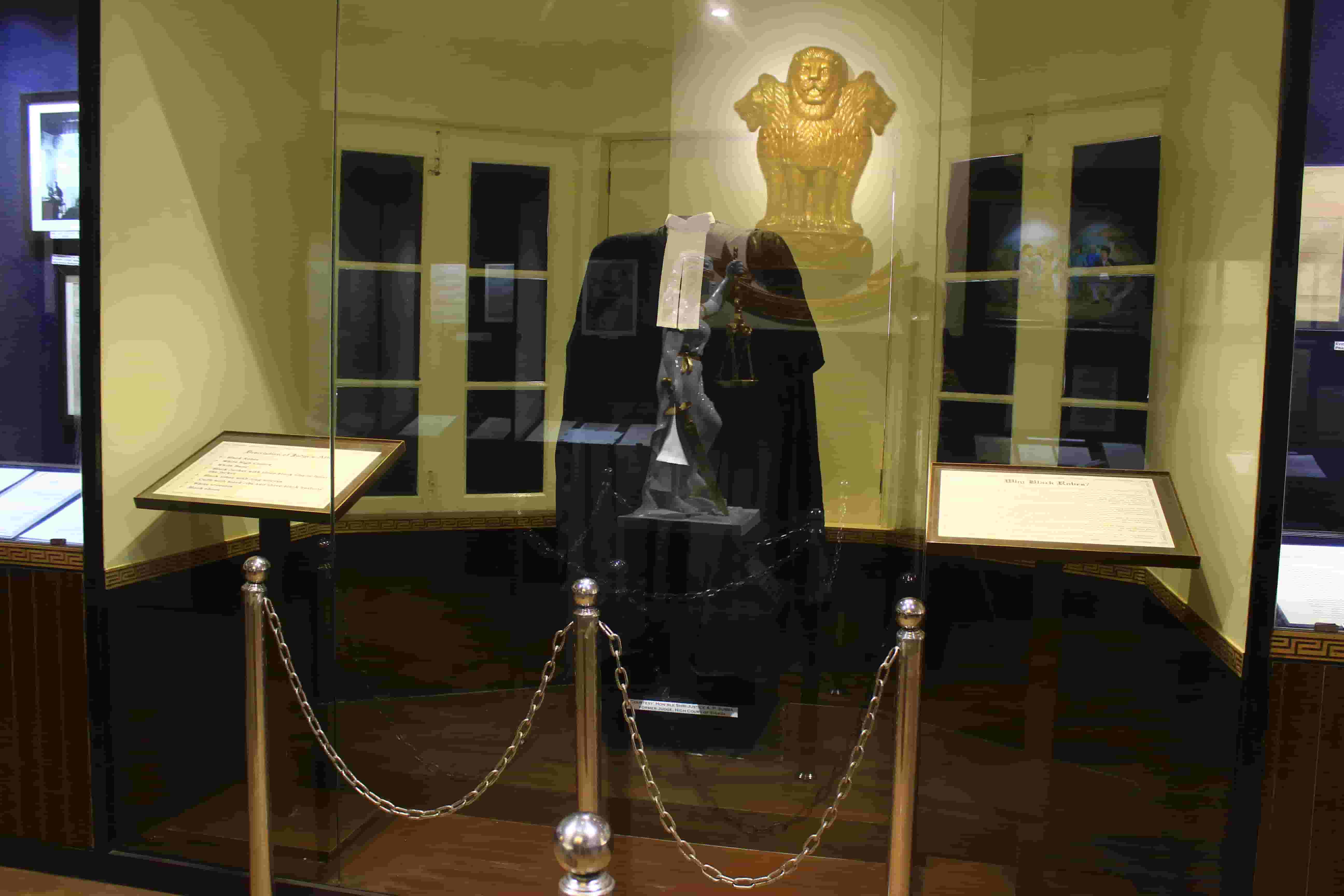
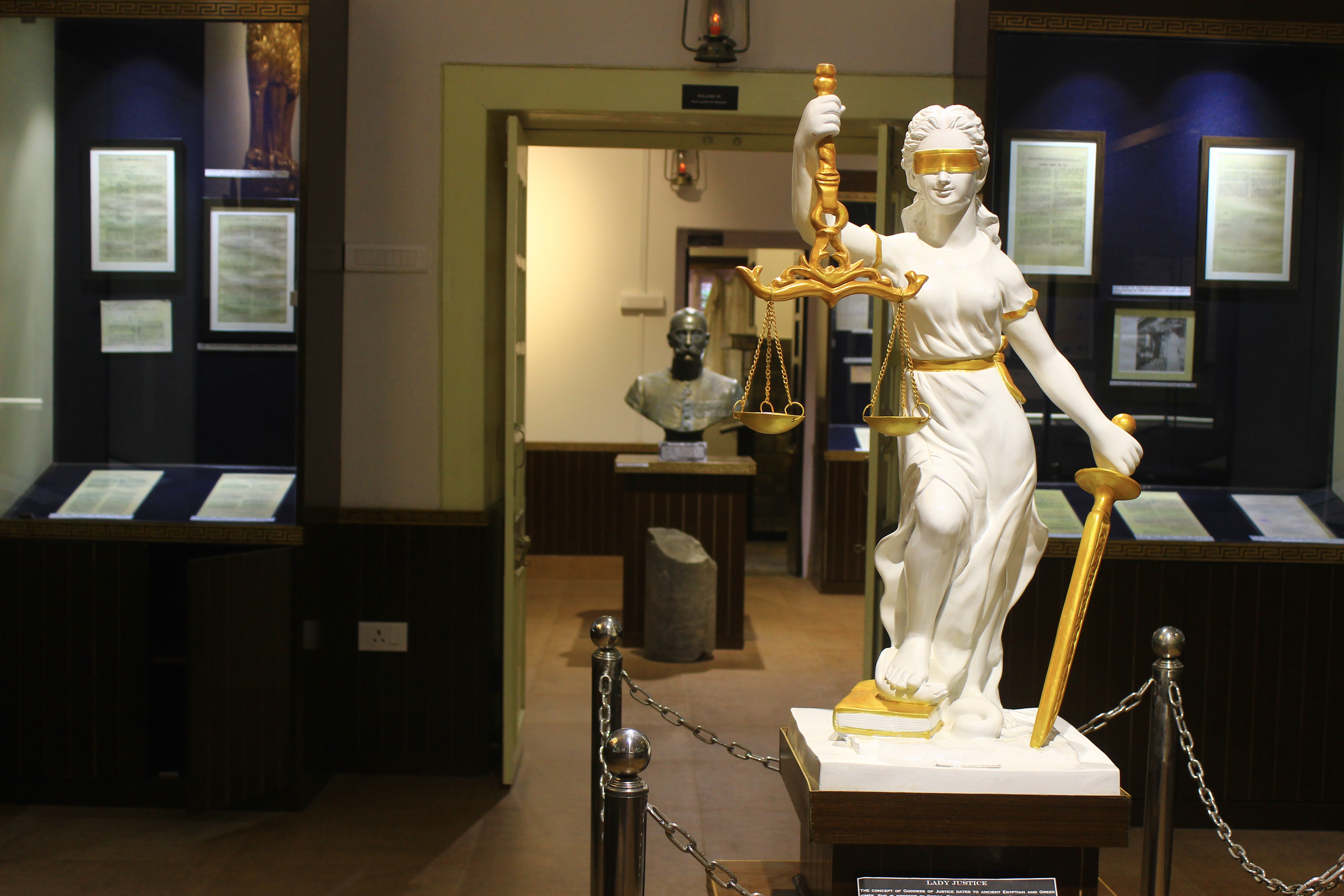
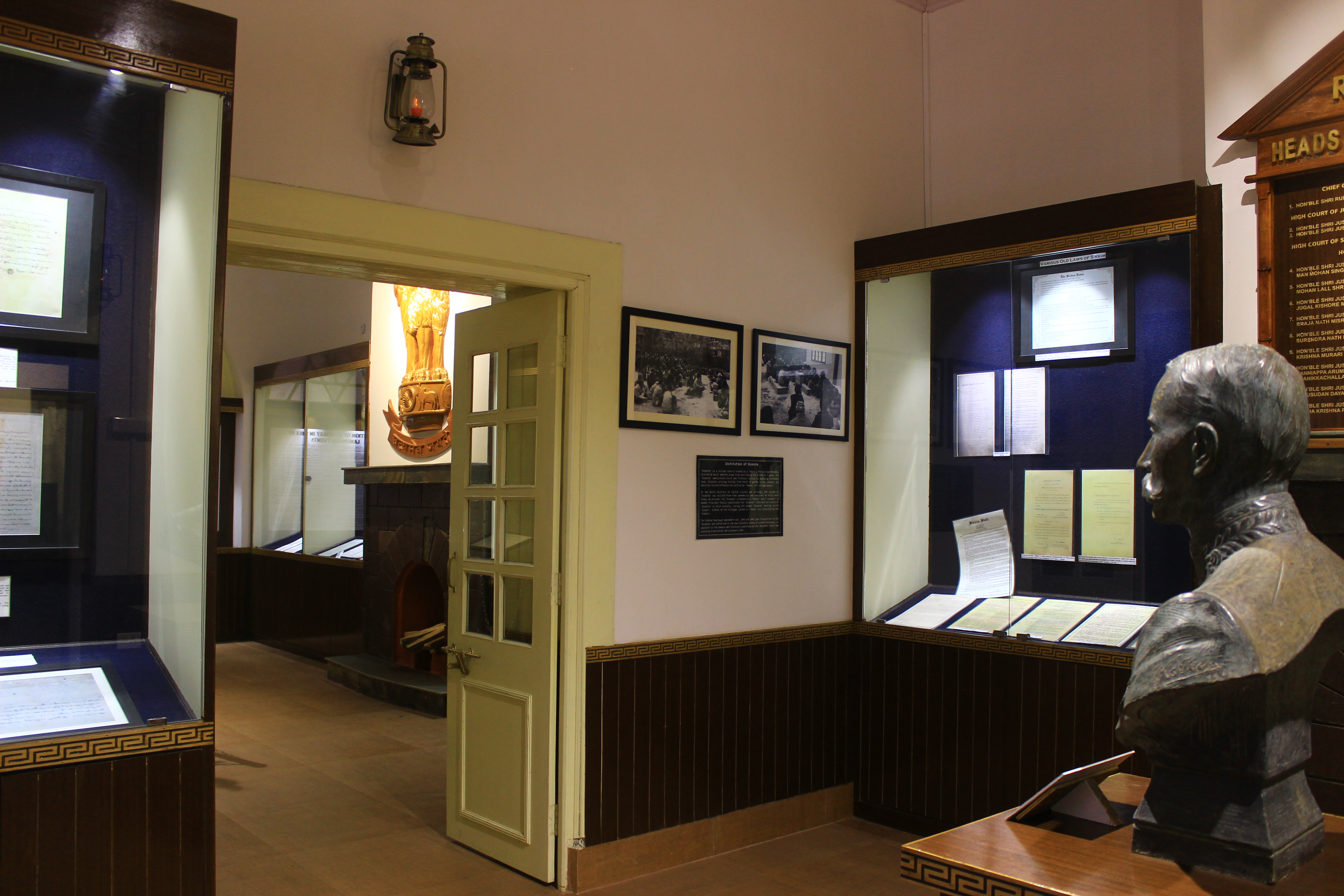
Set in the surroundings of Forest Colony, Baluwakhani, Gangtok, the High Court of Sikkim Museum presents the history of the State’s legal and constitutional development though its varied collections. Its exhibits depict the transitions from the traditional system of justice prevalent during the monarchical era to the establishment and subsequent development of a constitutional judiciary after Sikkim became a State of India. The collections which include historical documents, judicial records, photographs, manuscripts, paintings, sculpture and other archival resources have been displayed to provide an insight into the evolution of law, justice and judicial institutions in Sikkim.

The Museum is organized into five thematic galleries.

GALLERY I

Presents an overview of the historical development of Sikkim, covering the pre-monarchy era, the period of monarchy and the subsequent modern period, with the help of historical documents and photographs.

GALLERY II

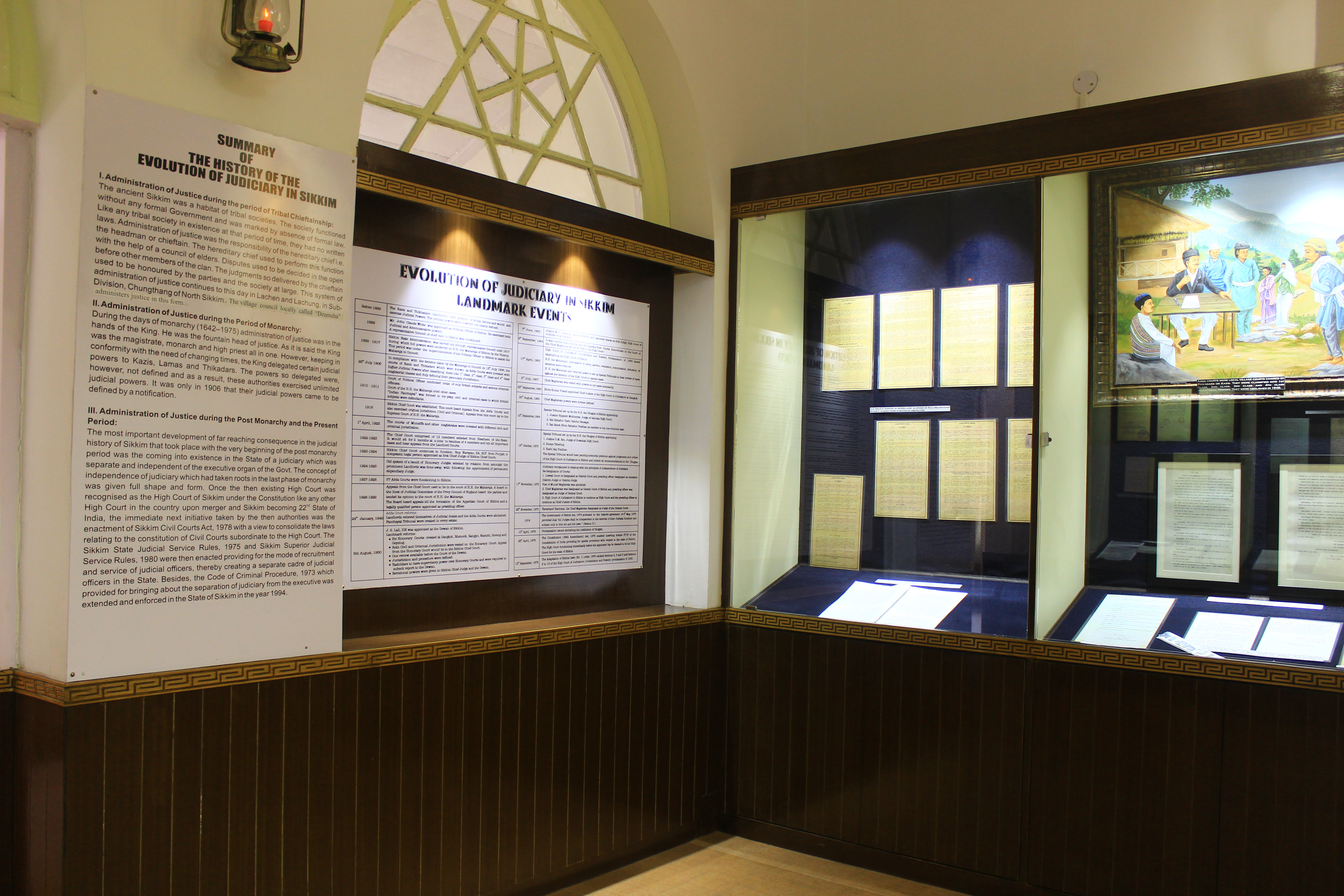
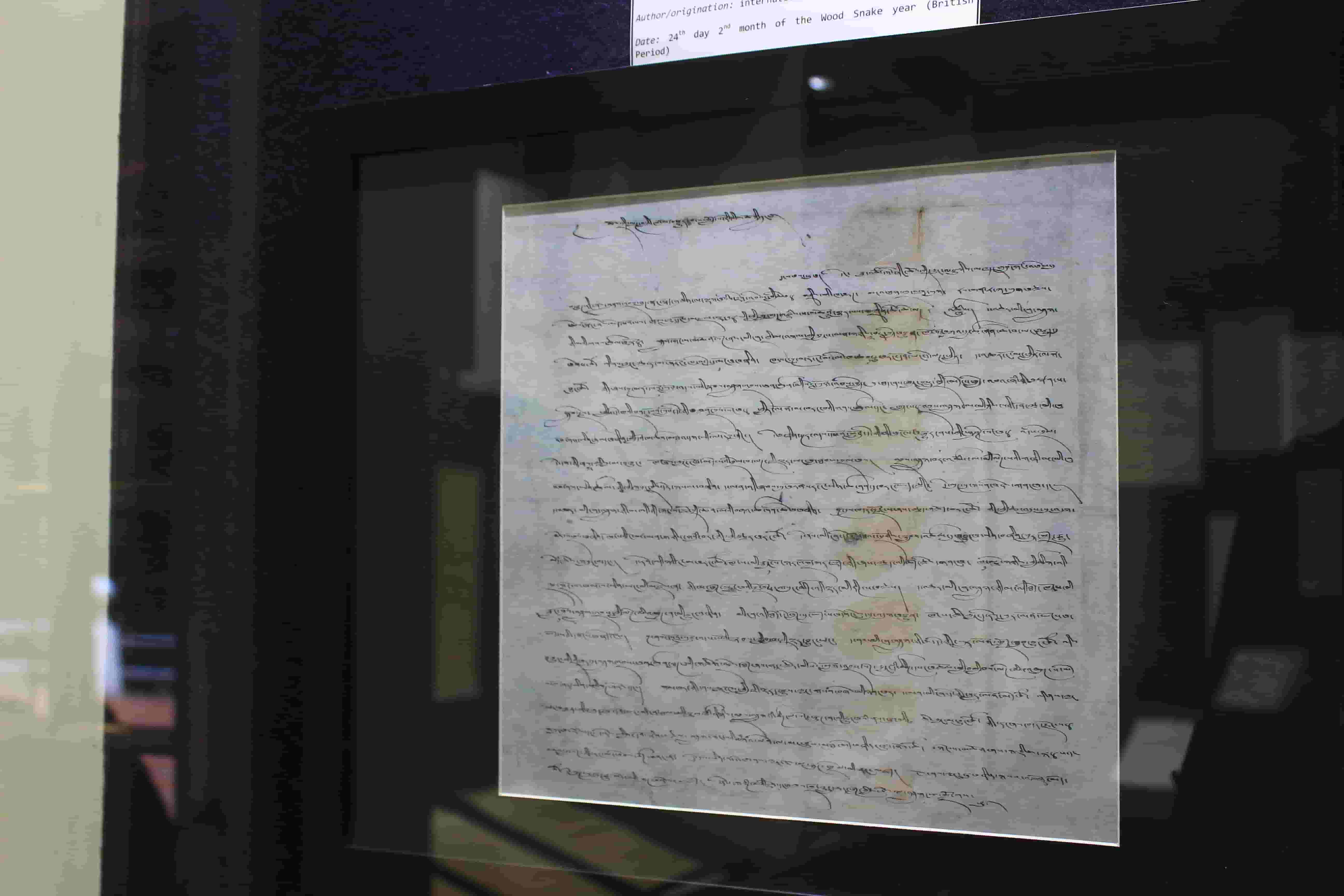
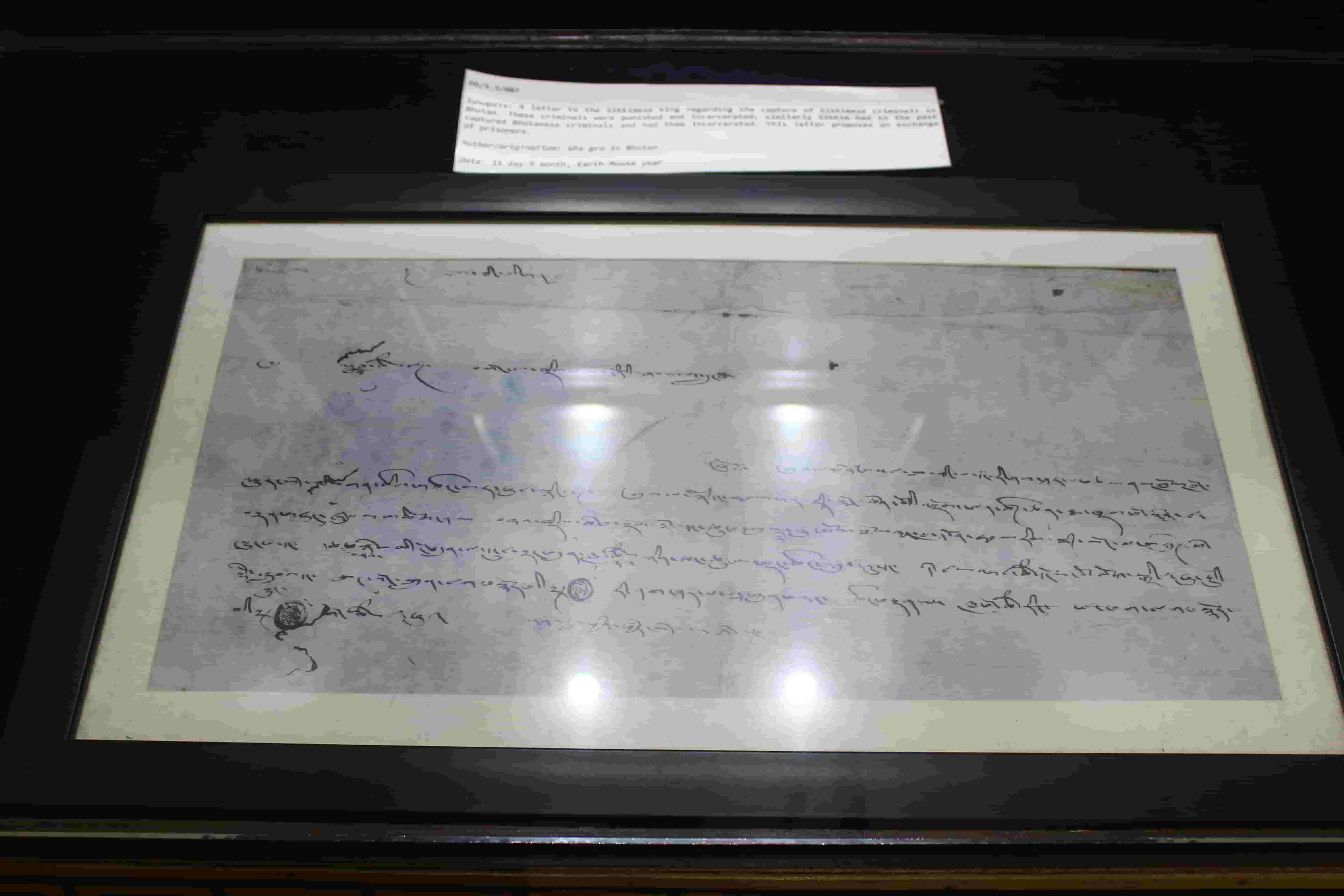
Explores Sikkim’s judicial history, showcasing original documents and historical artifacts that trace the development of its legal institutions from the period of tribal chieftainship through the monarchy and post- monarchy periods to the present day. It also provides an insight into the “Sikhim Laws” or Sixteen Law, reflecting the early legal practices and traditions of the region.

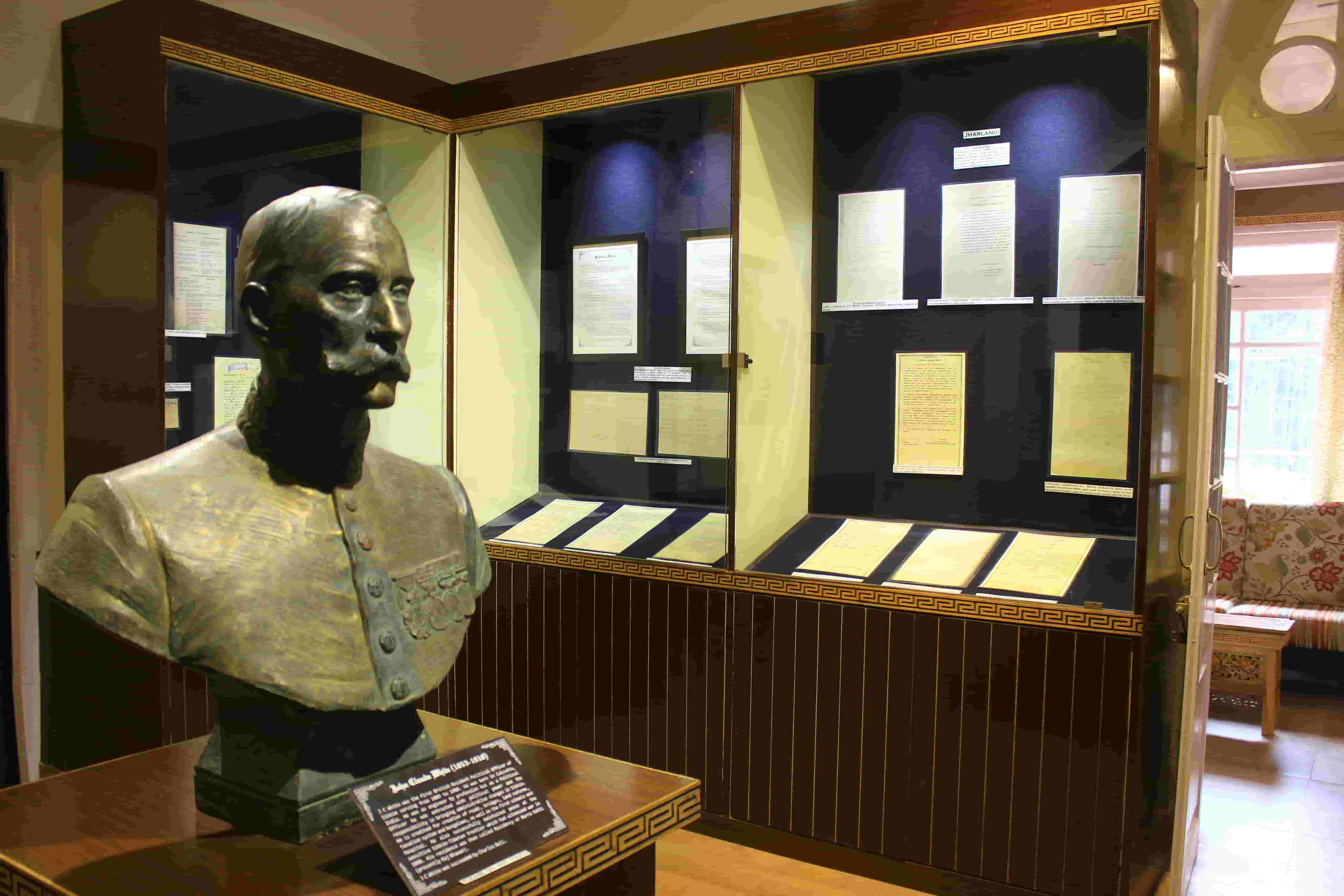
GALLERY III

Features a sculpture of John Claude White, the first British Political Officer of Sikkim who served in the region from 1889 to 1988. The gallery also showcases important laws, notifications, Acts, policies and rules that provide an insight into the development of Sikkim’s legal and administrative framework, with records dating back to the early 1900’s.

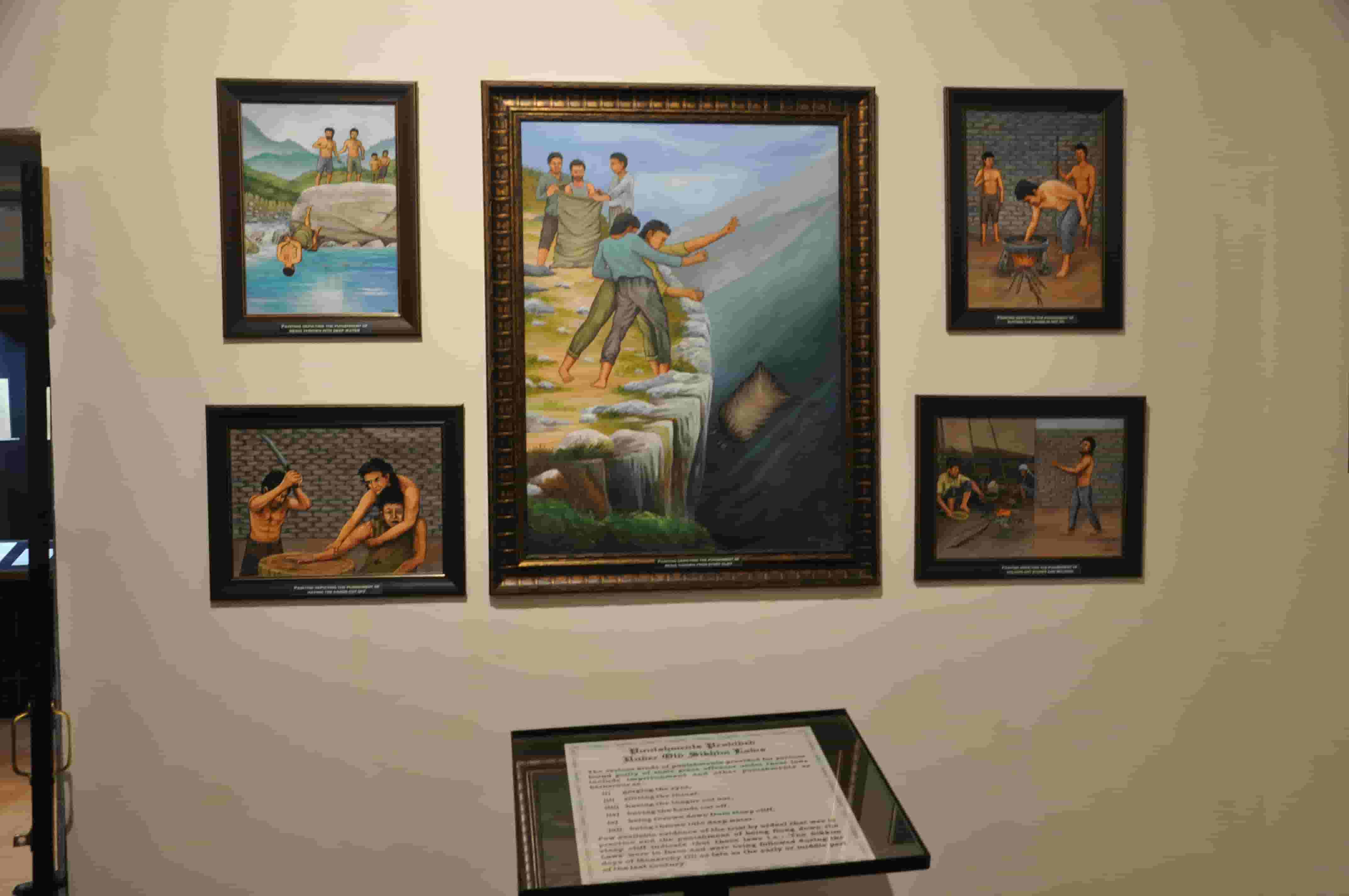
GALLERY IV

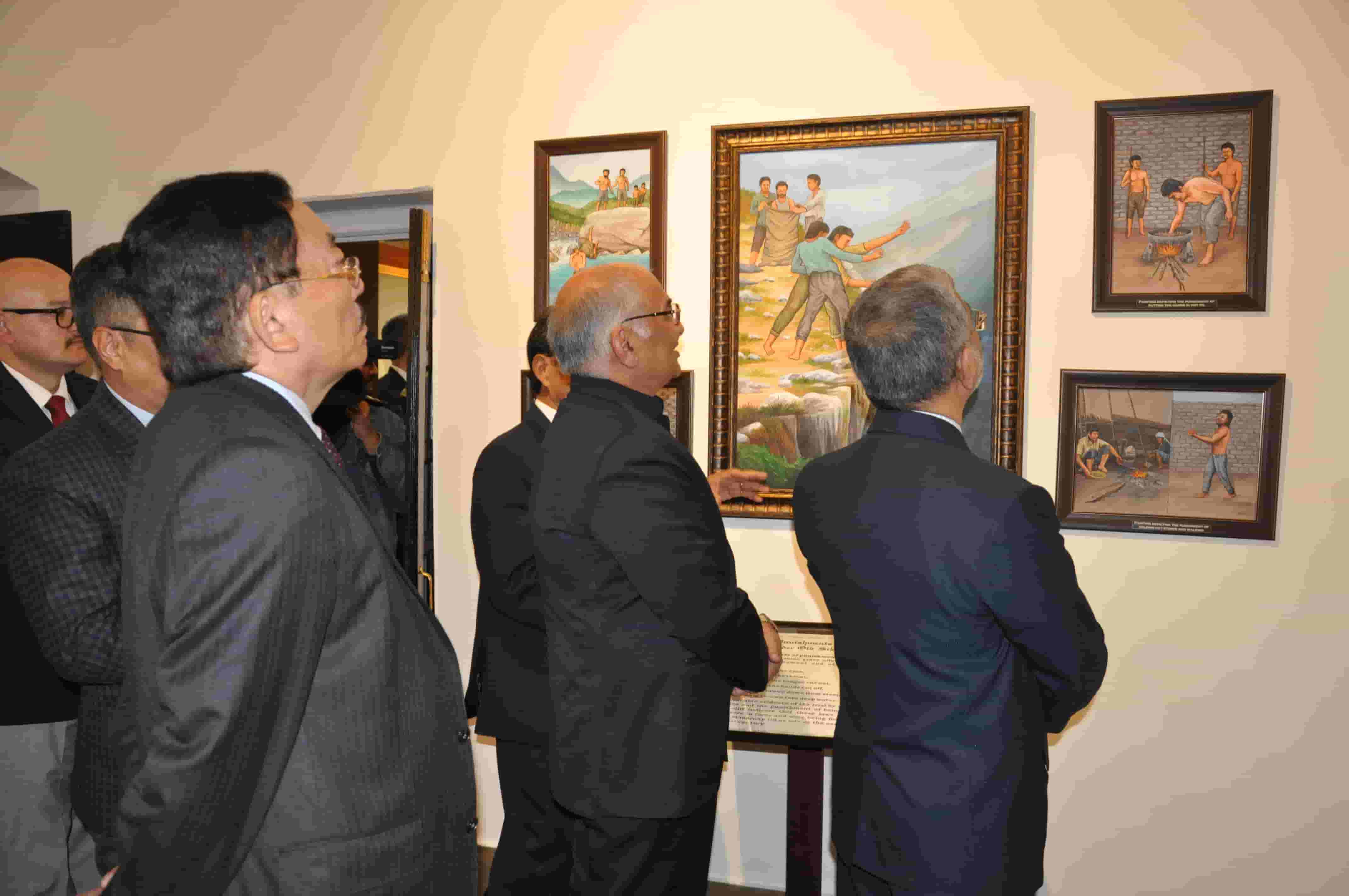
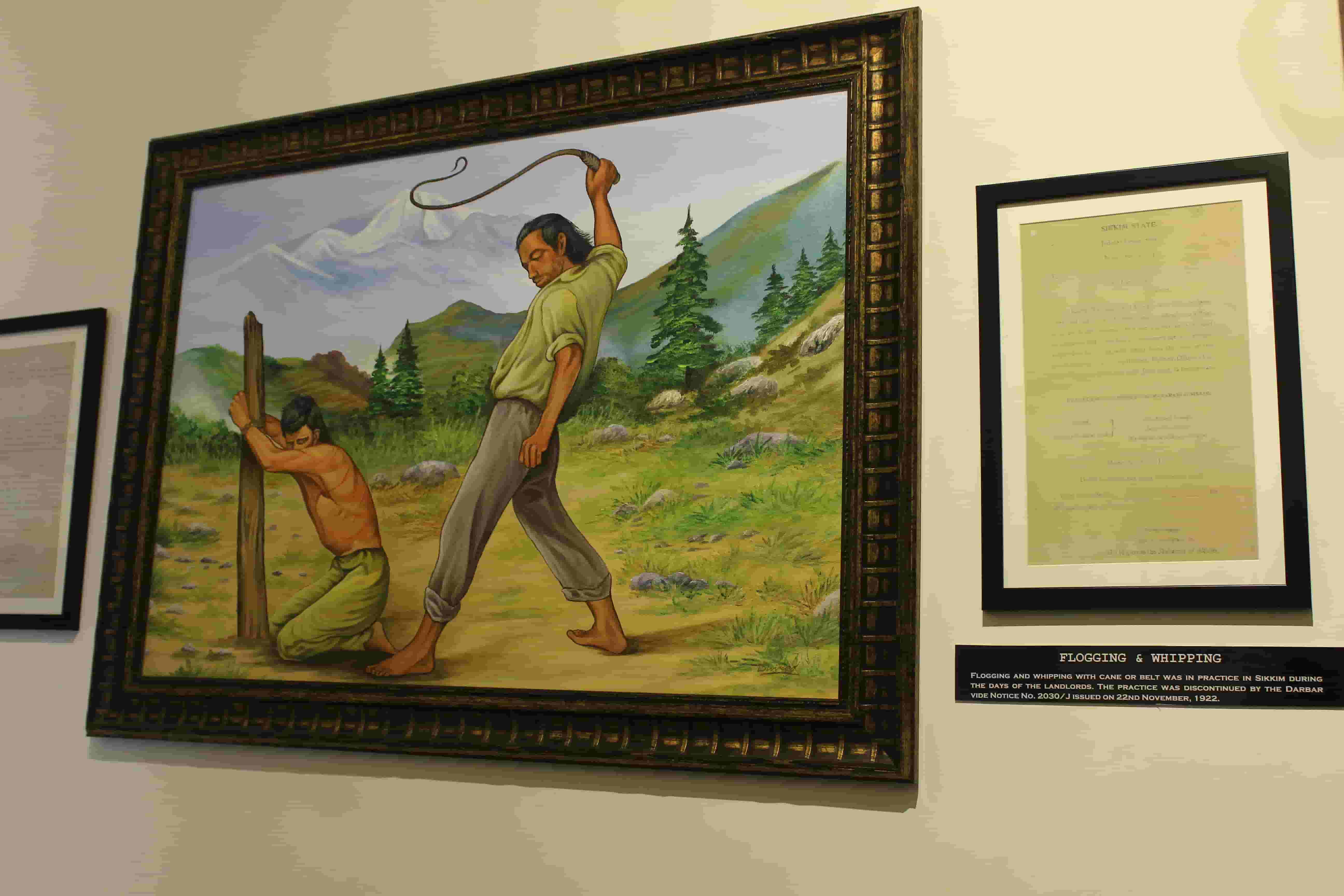
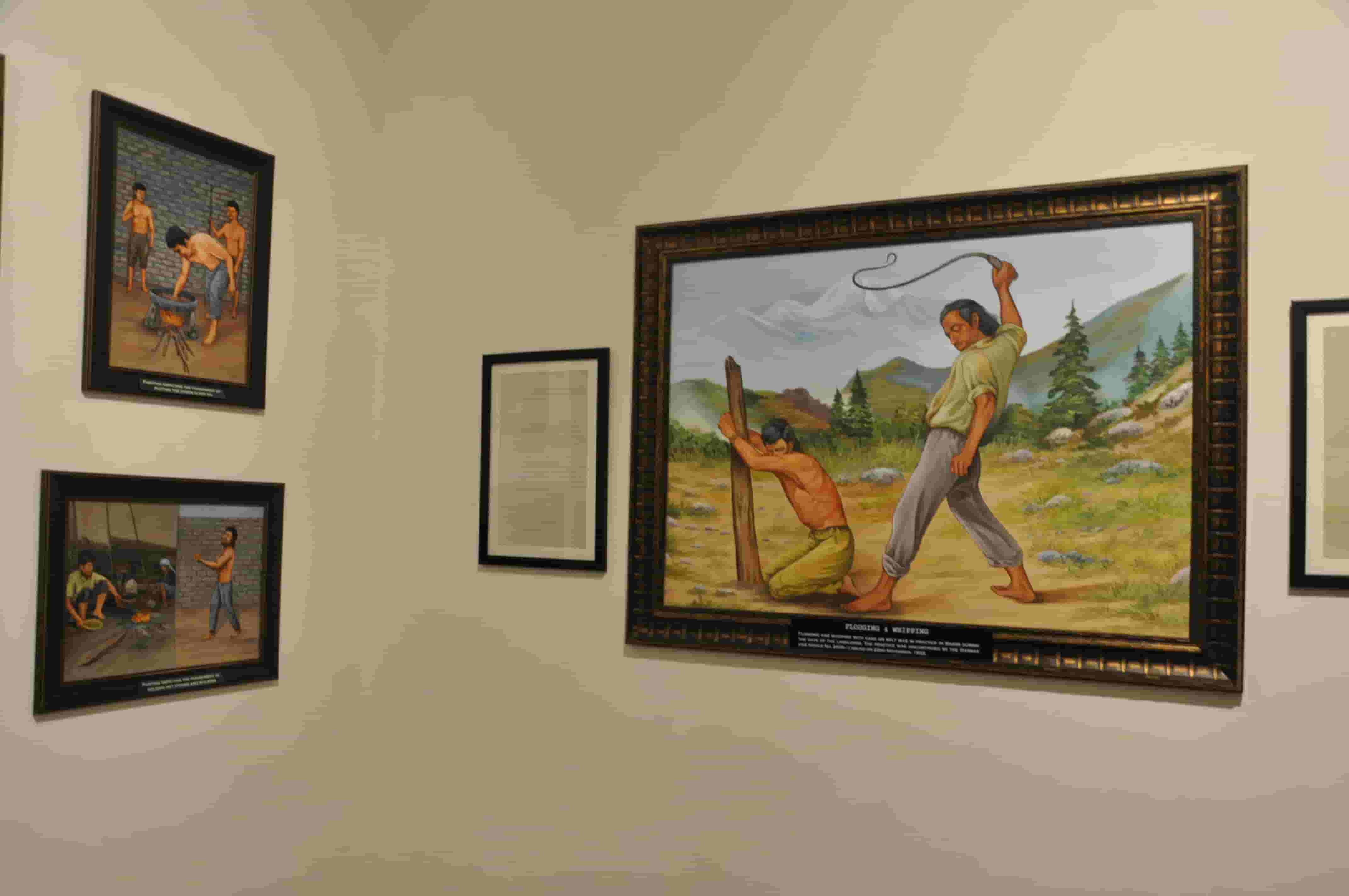
Showcases various historical methods of trial and punishment through visual displays, highlighting the practices followed under earlier systems of justice.

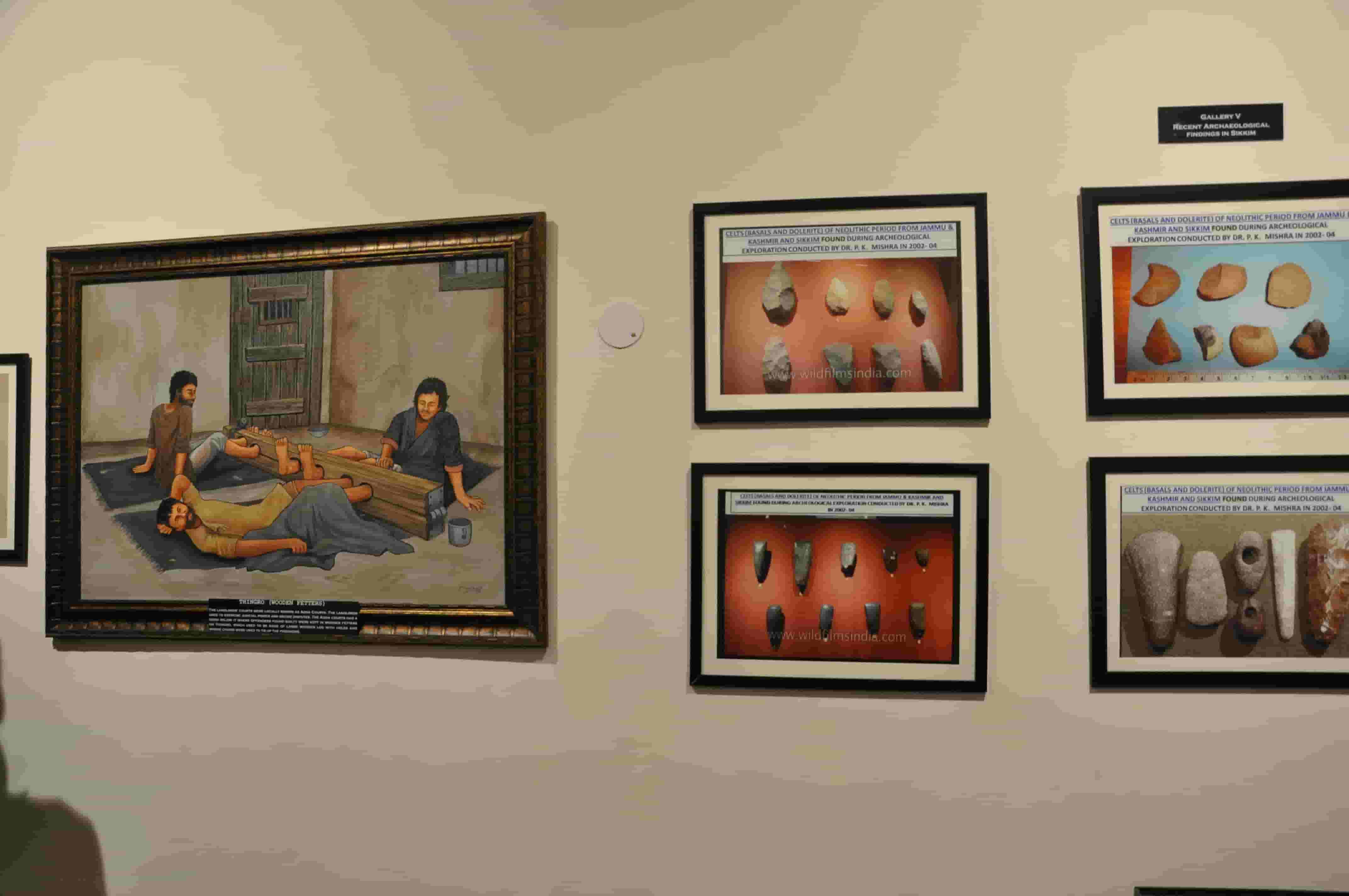
GALLERY V

This gallery presents archaeological findings that shed light on the early history of human habitation in Sikkim, dating back to the Neolithic period, around 10,000 to 8,500 B.C. Among the exhibits are Neolithic stone tools recovered from different locations in North and East districts of Sikkim.

MOCK COURT ROOM

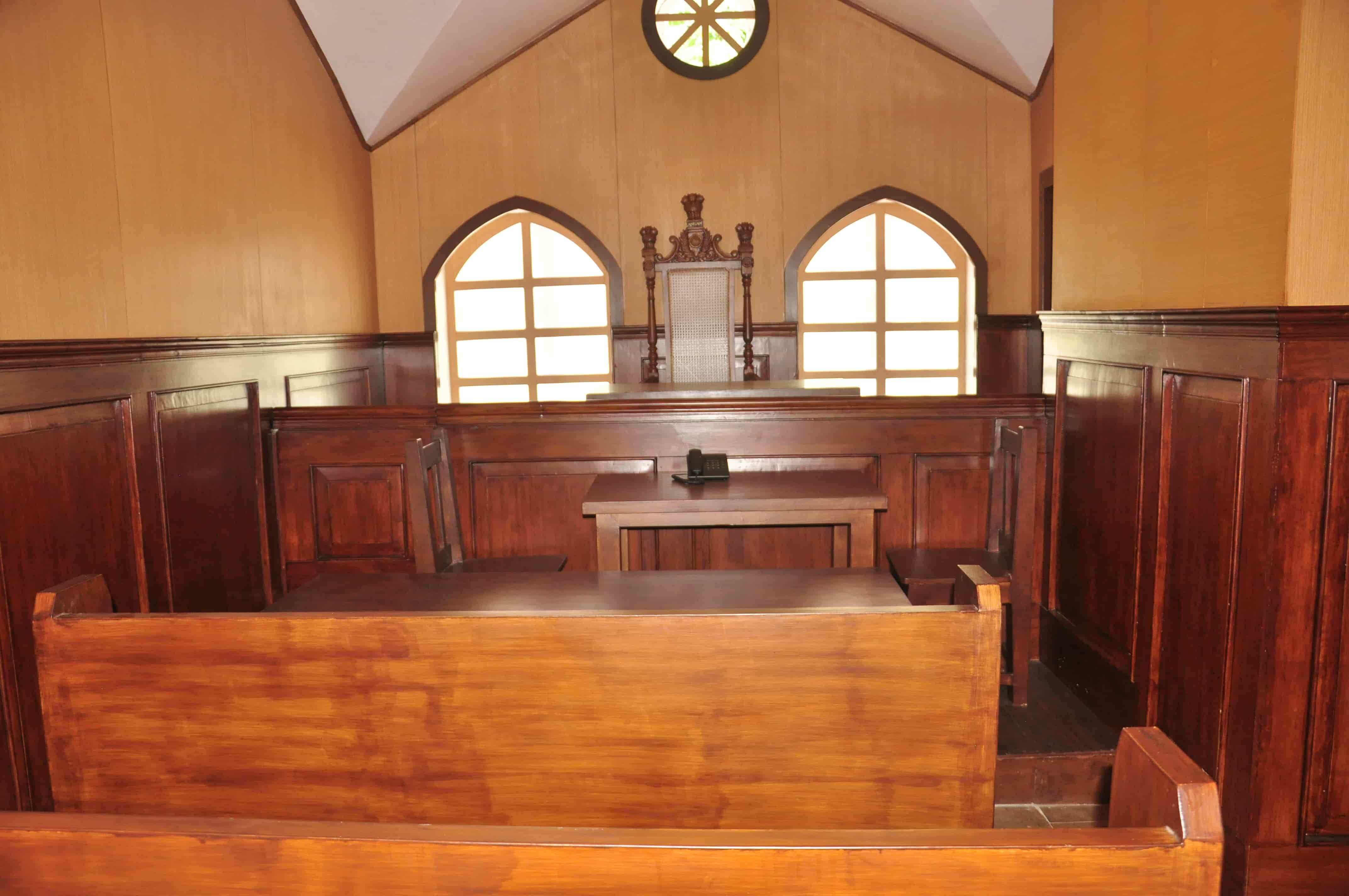
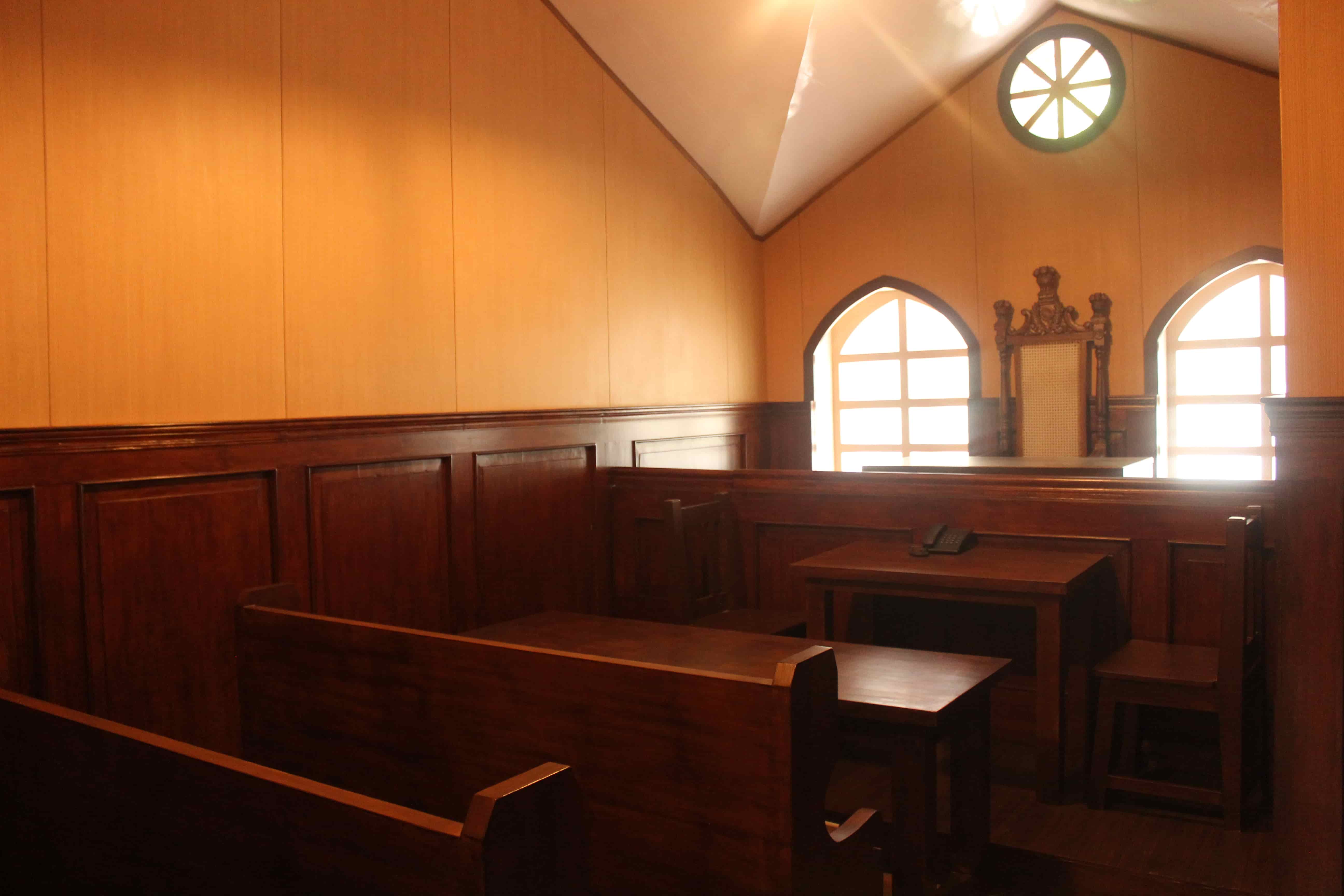
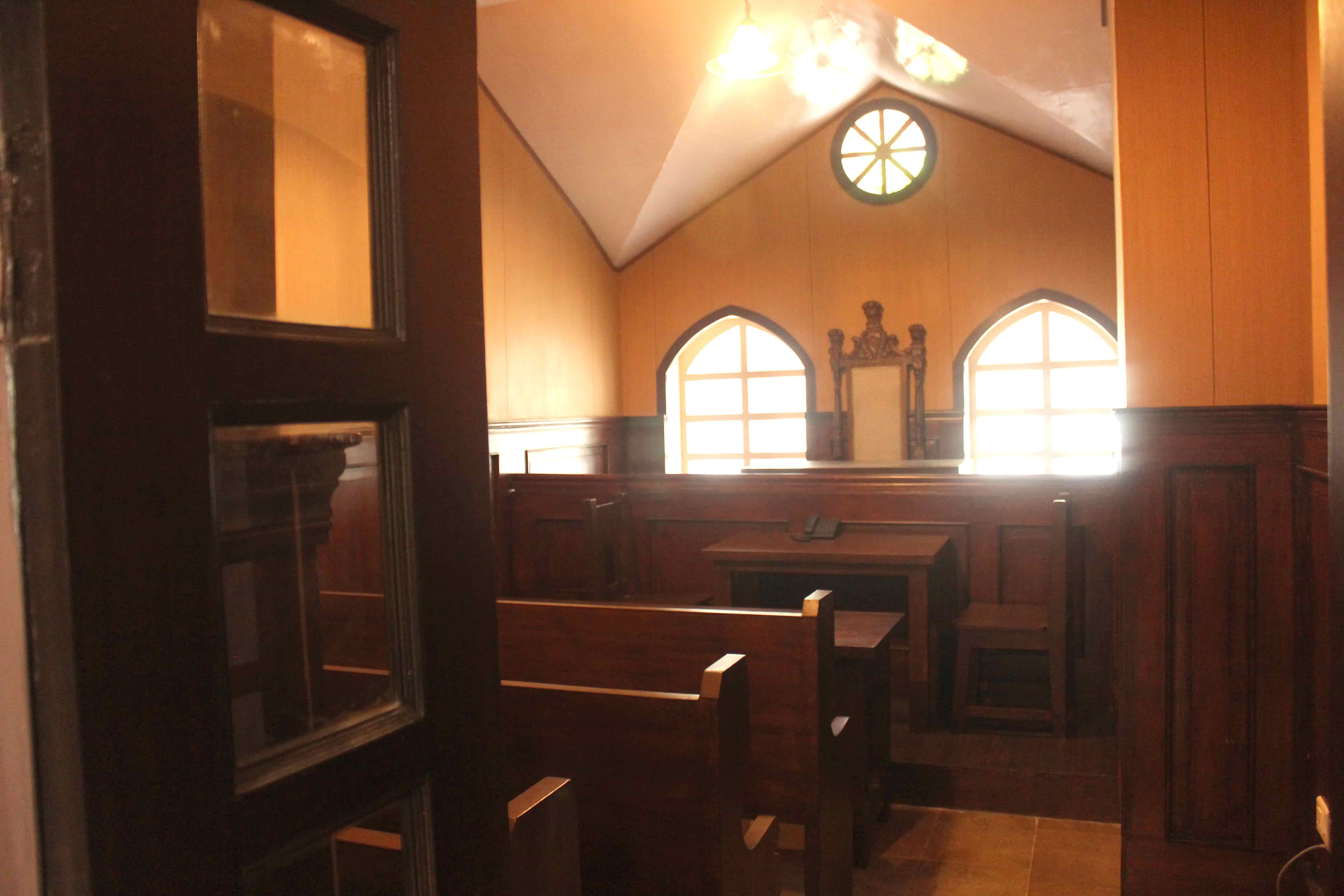
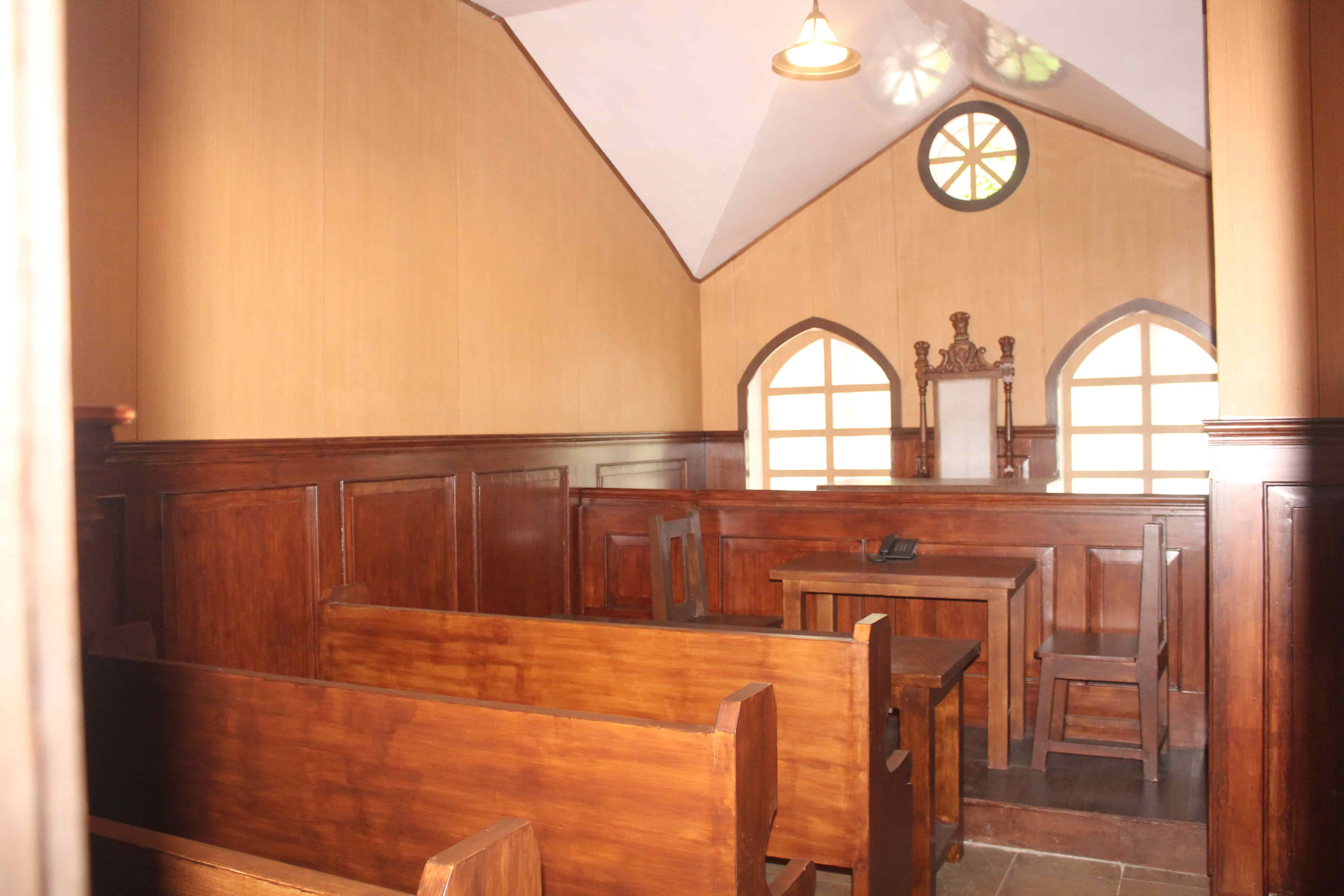
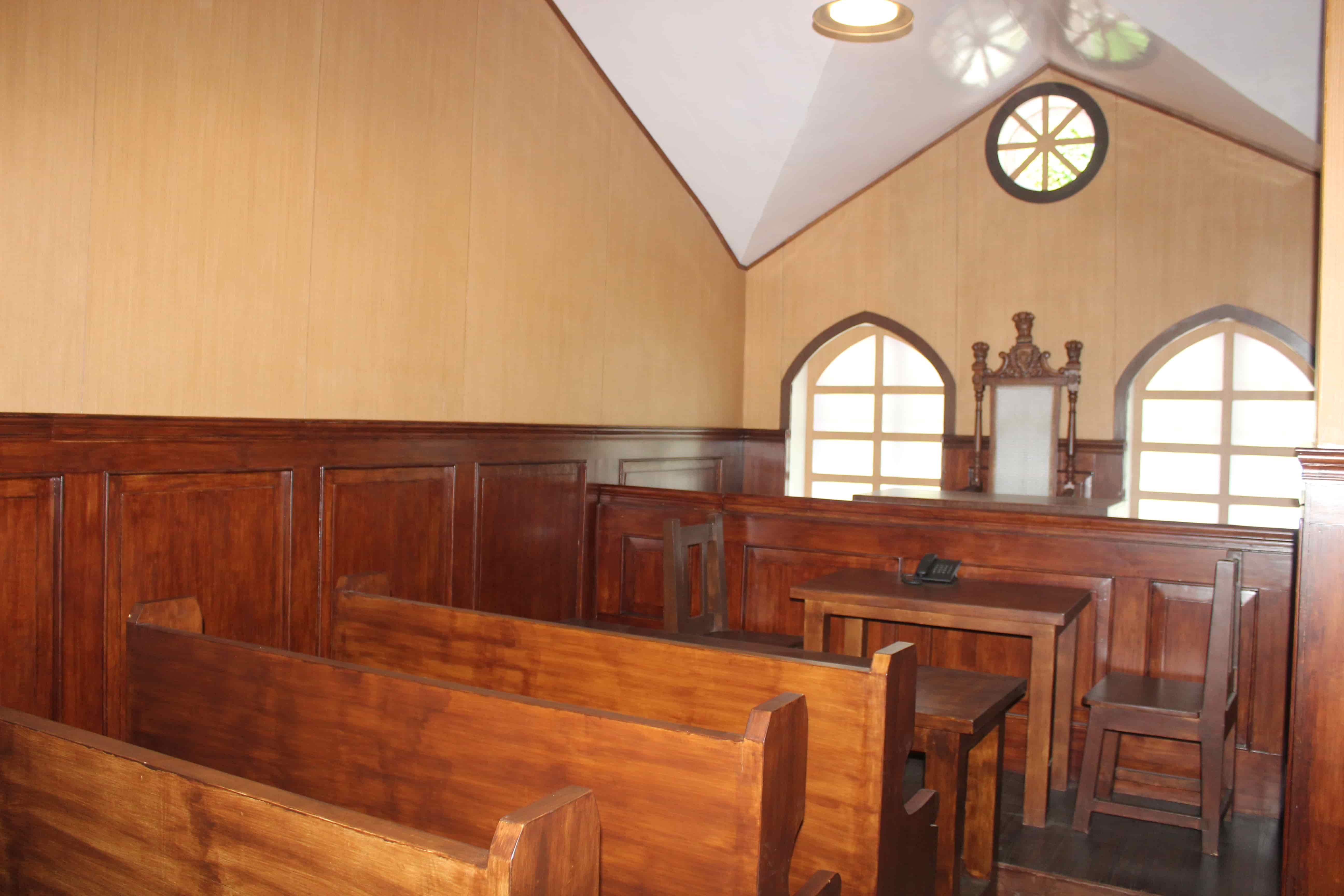
The Museum features a Mock Court Room, which offers visitors a realistic representation of a courtroom and provides an understanding of judicial proceedings.

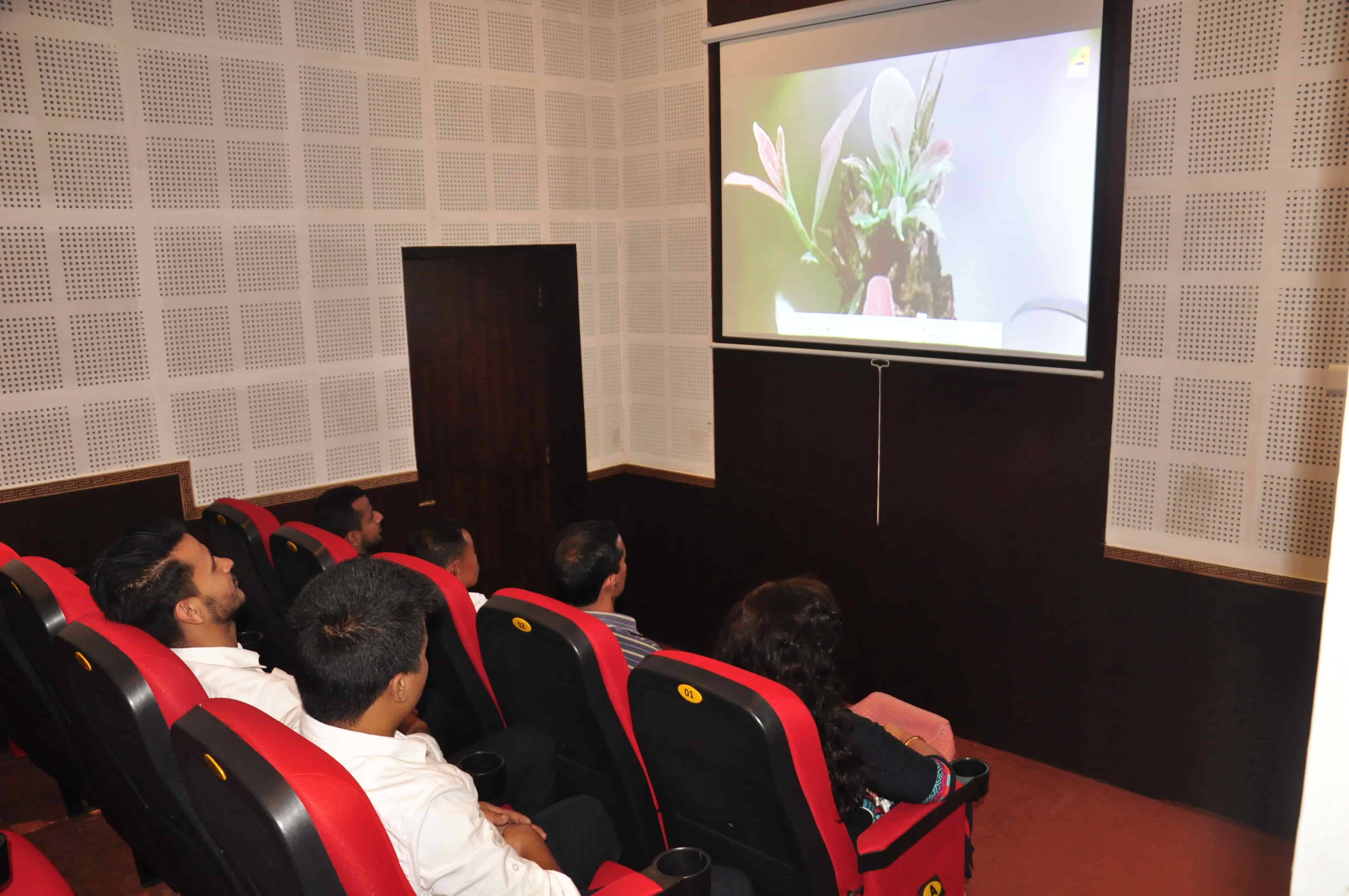
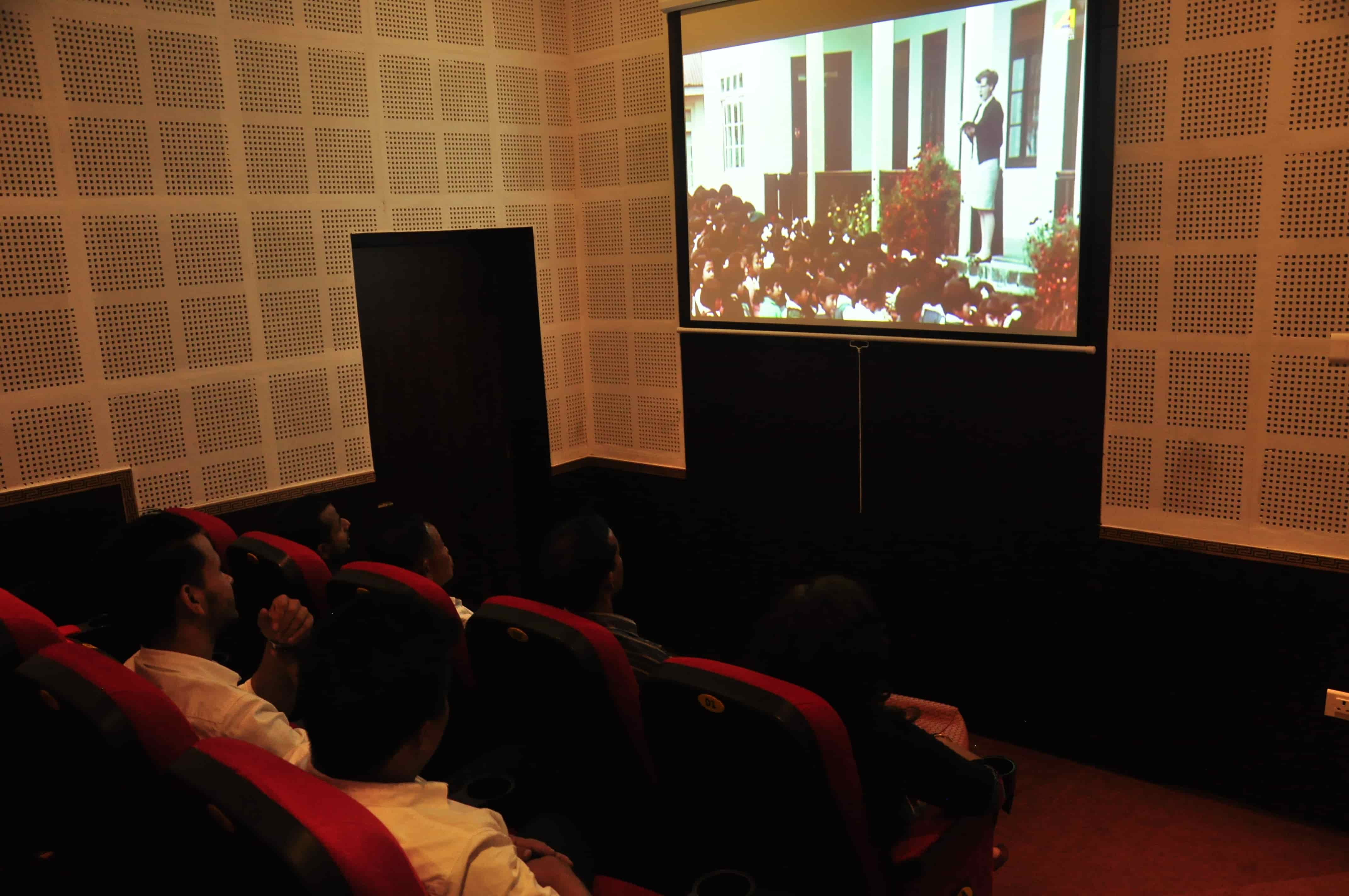
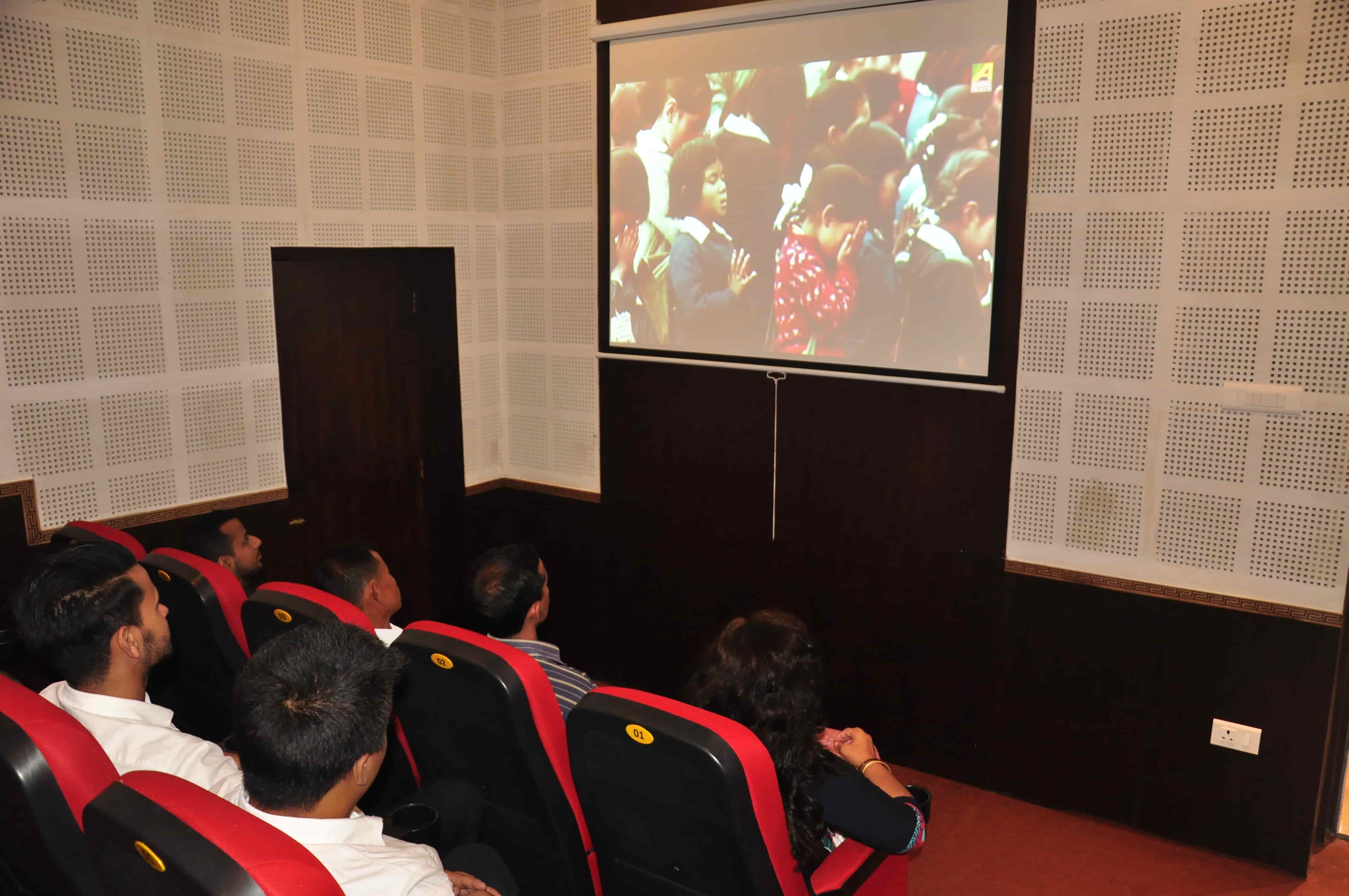
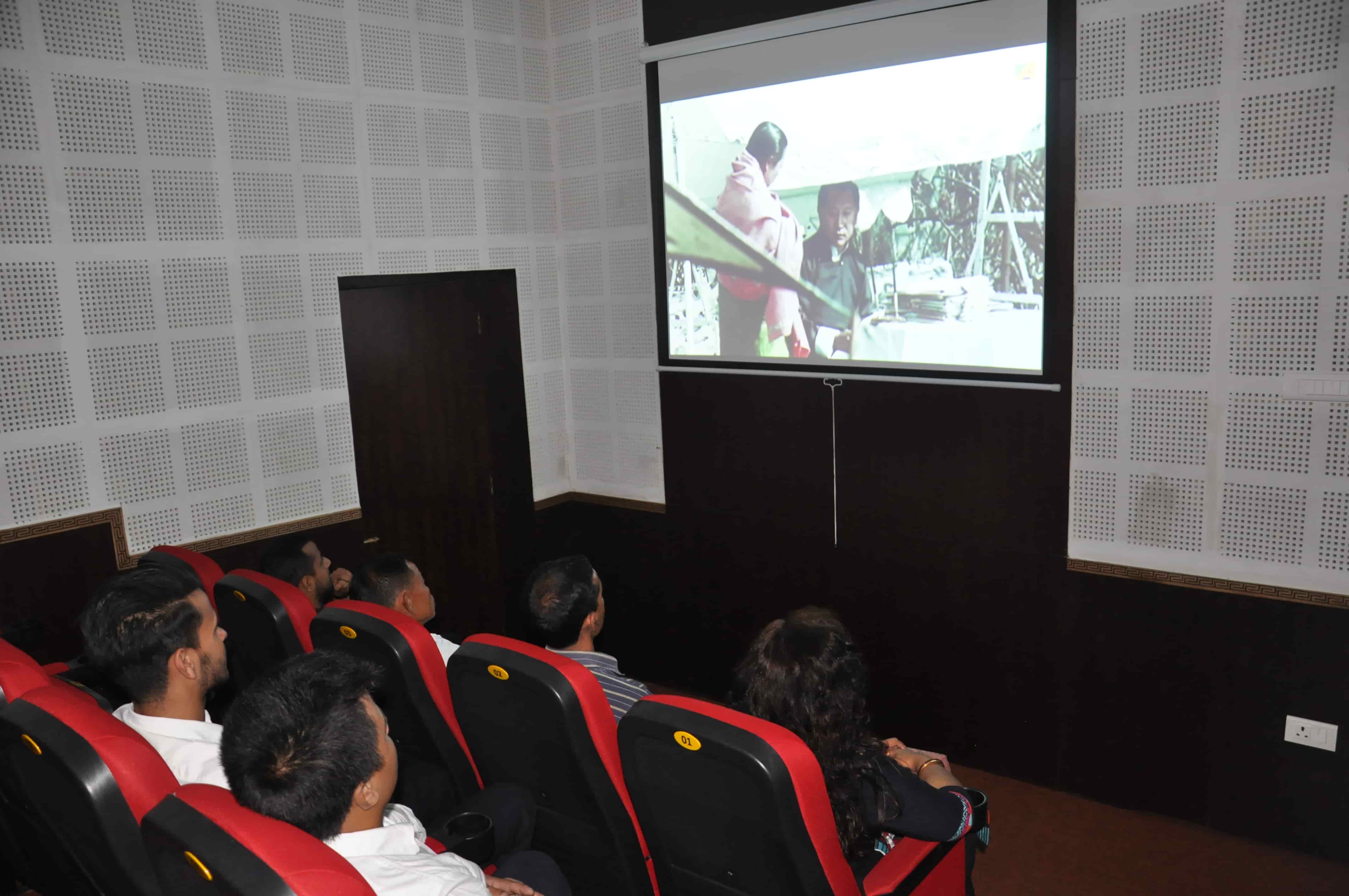
Audio Visual Room

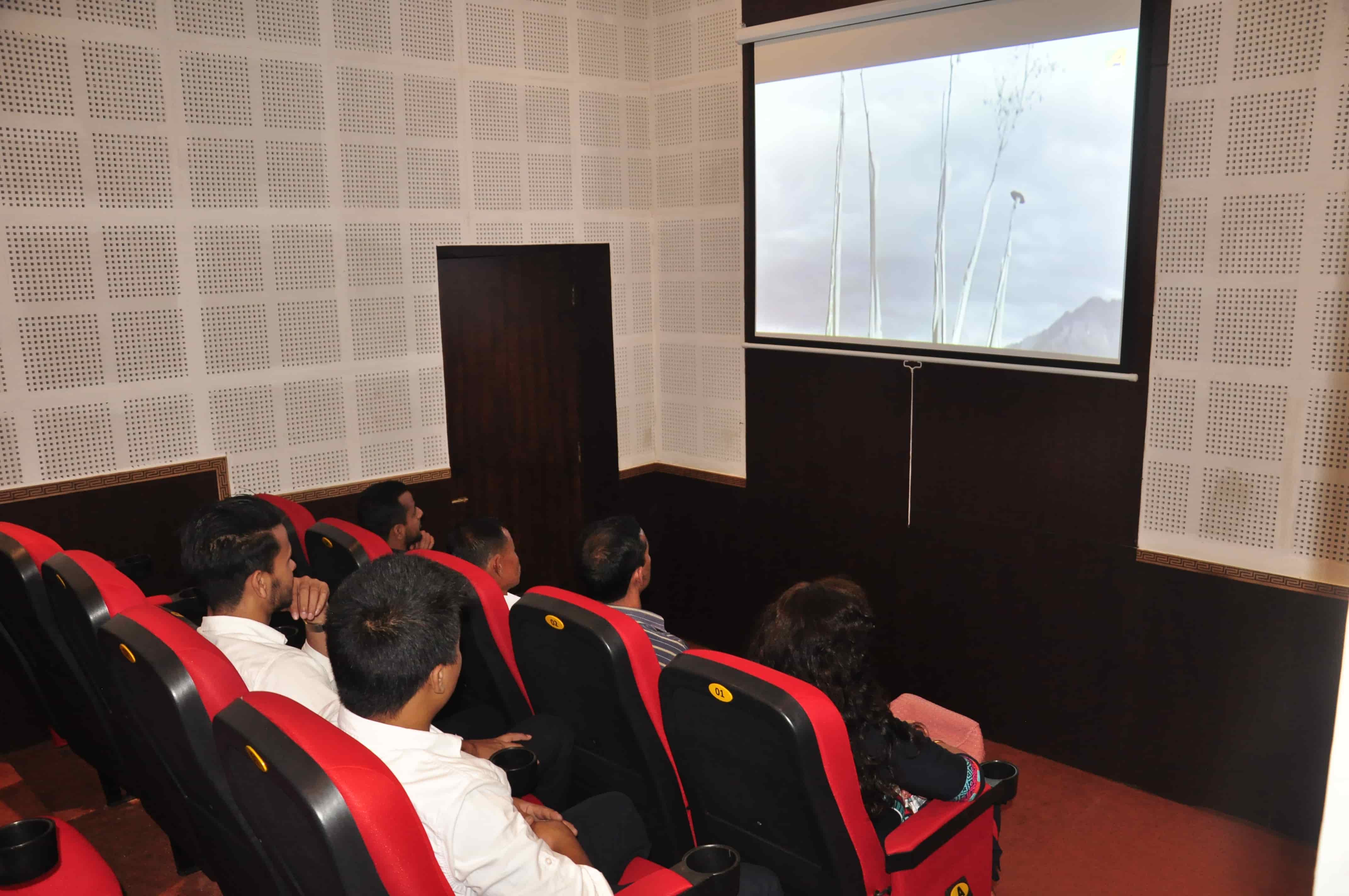
The Audio –Visual Room offers visitors an opportunity to explore the history and cultural heritage of Sikkim through documentaries and films.

LIBRARY

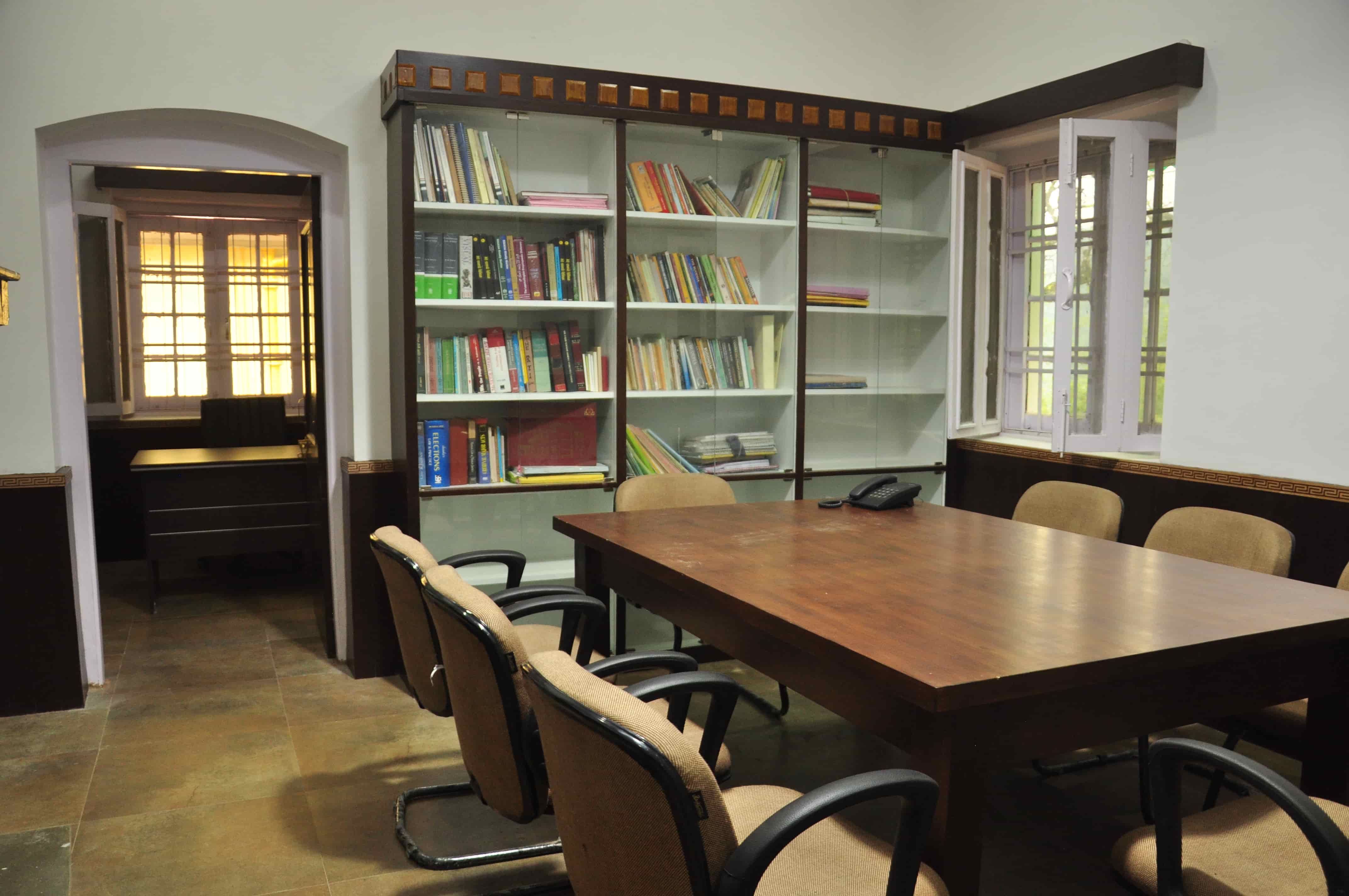
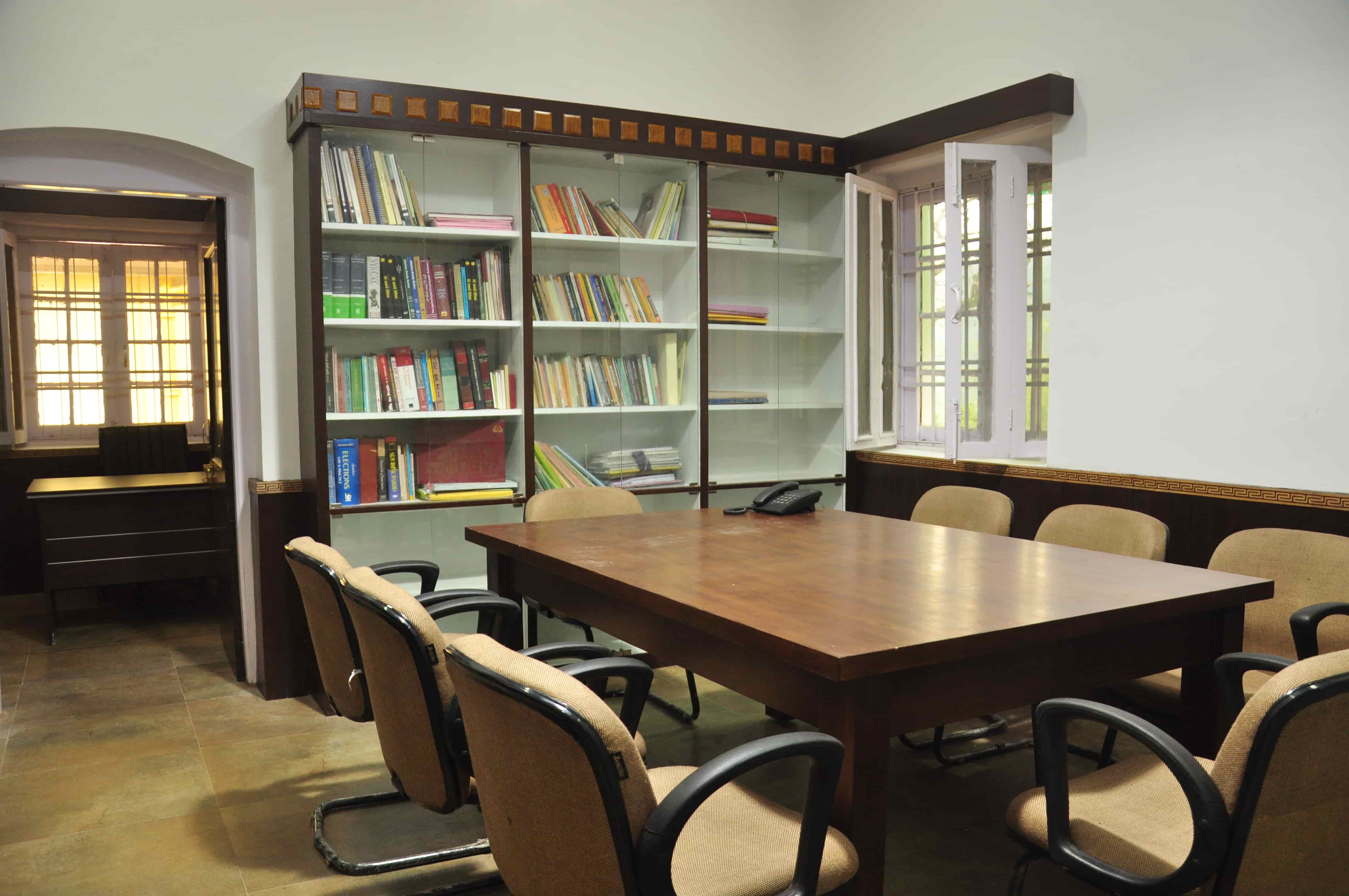
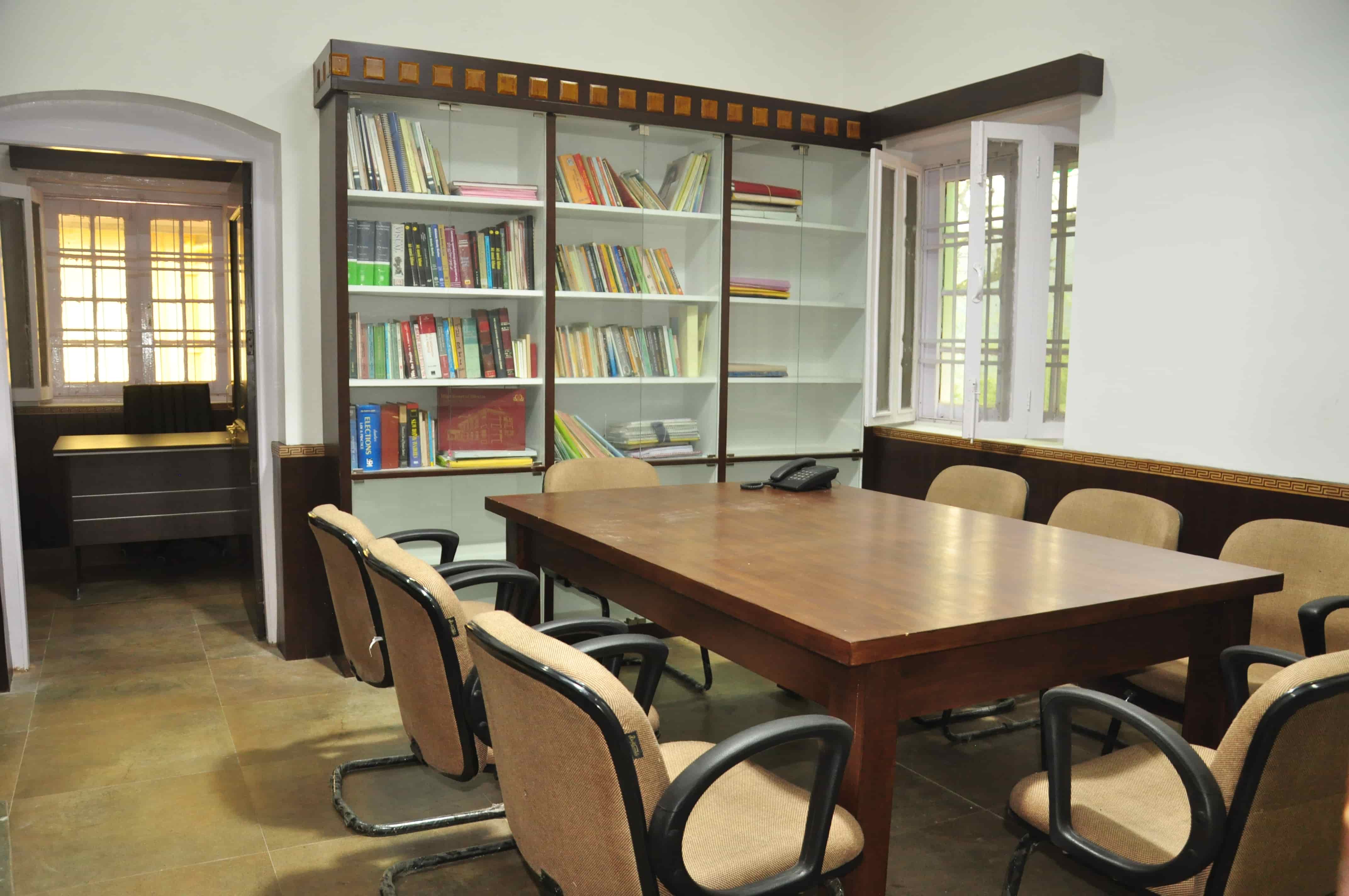
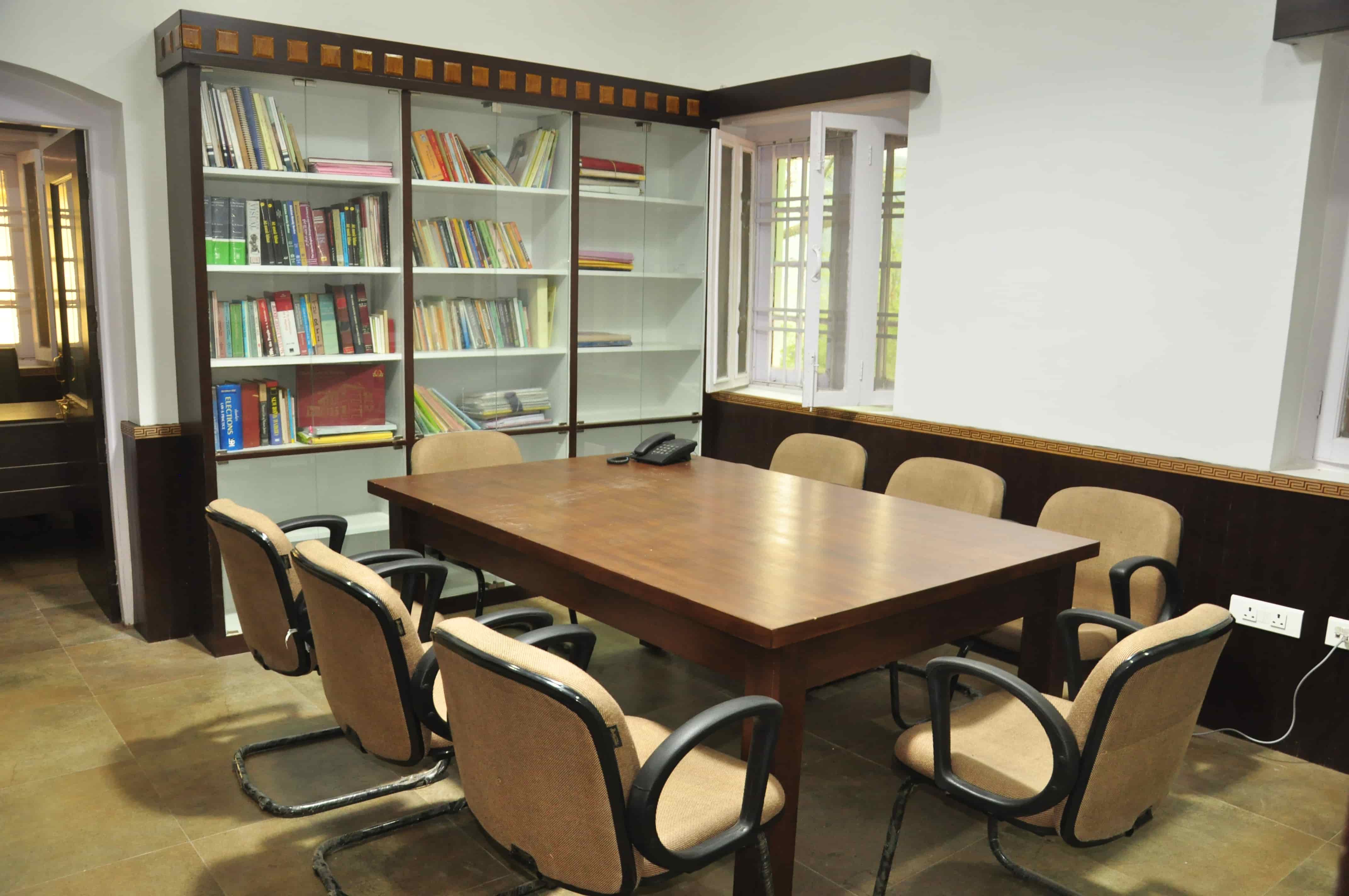
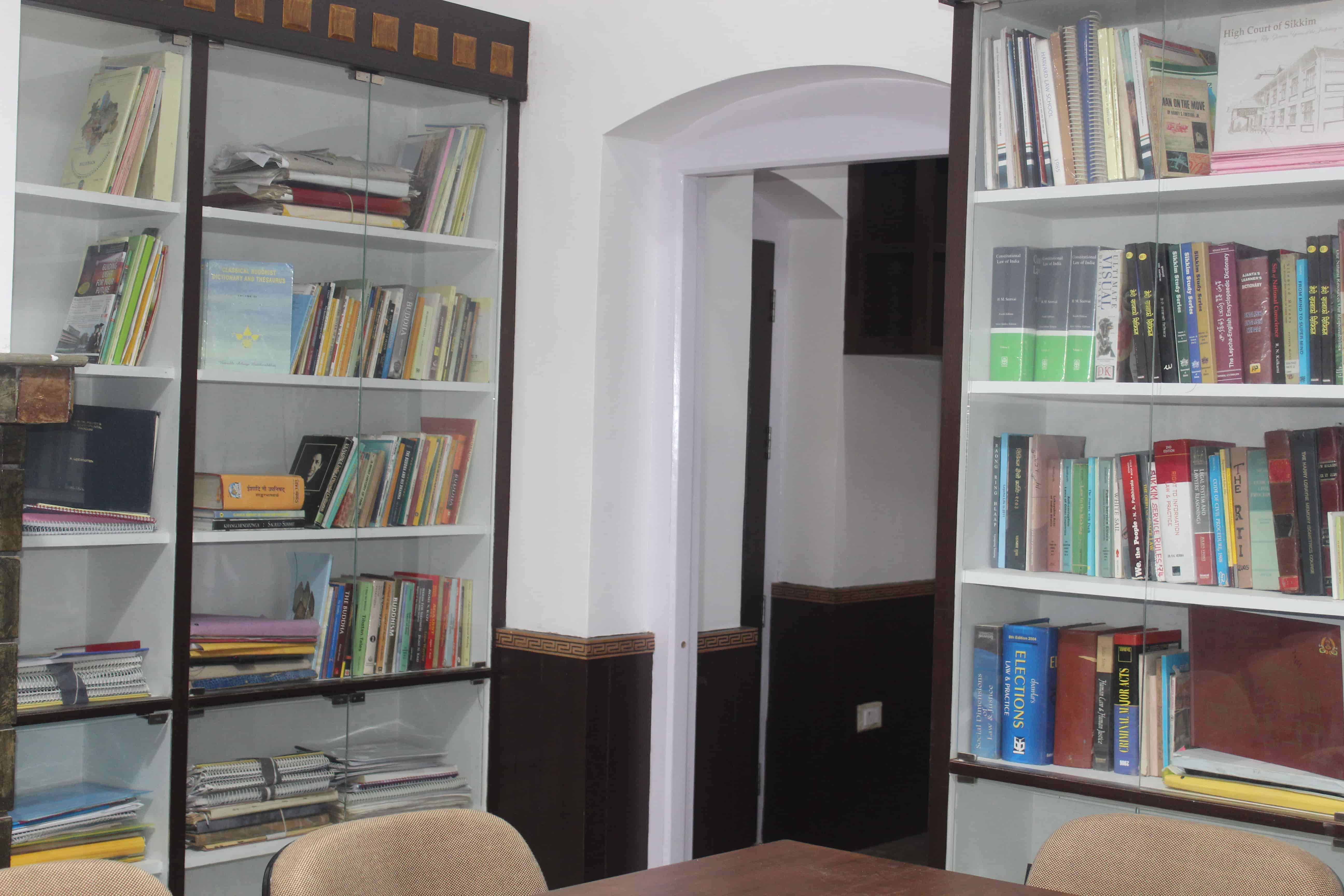
The Museum Library contains a collection of significant legal literature, including rare and historically valuable publications, historical books and documents. Books on law, non-fiction books, books on religion and magazines are available for readers and visitors.

MUSEUM SHOP

The Museum Shop provides visitors with an opportunity to explore and appreciate local heritage through its collection of handicrafts and souvenirs available on sale.

MAGAZINE

PHOTO GALLERY

NOTIFICATIONS